





 admin
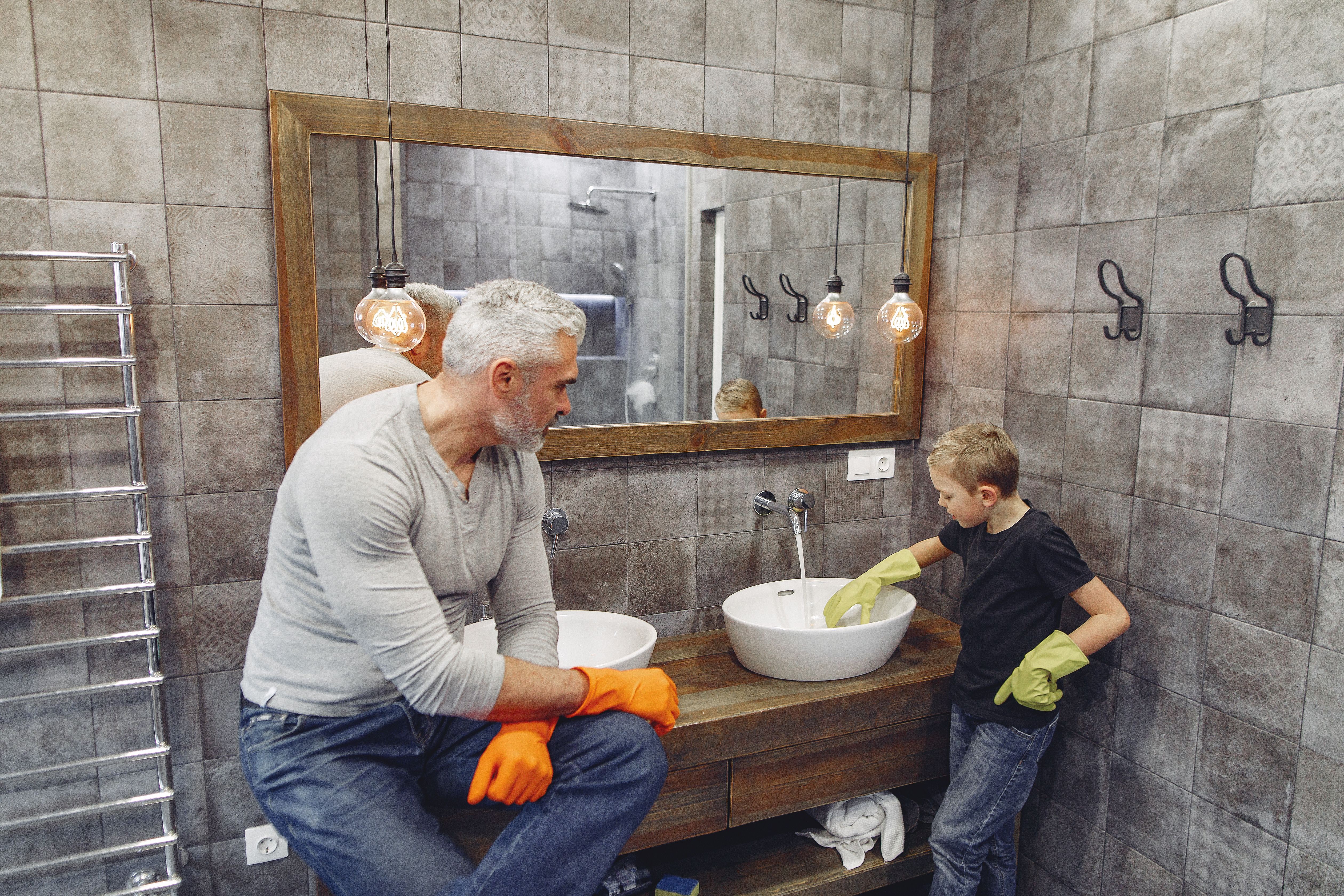
We cannot keep demanding responsible men from boys we never deliberately taught responsibility.
The making of a responsible man begins long before adulthood. It begins in childhood, in the little habits formed at home, the responsibilities assigned to him, the behaviours modelled by the adults around him and the expectations society establishes about what it means to be a boy.
Among the many lessons children need to learn, cleanliness deserves far more attention than it often receives, particularly in the upbringing of boys.
For generations, cleanliness, tidiness and domestic responsibility have frequently been treated as feminine responsibilities. Girls are encouraged to sweep, wash dishes, arrange household items, keep their clothes clean and maintain orderly surroundings. Boys, on the other hand, may sometimes grow up with fewer expectations in these areas. In some households, a boy who leaves his room untidy, neglects his laundry or expects someone else to clean up after him is excused as simply being a boy.
But when does this excuse expire?
At what point does the boy who was never expected to clean his room become the man expected to maintain a household, share responsibilities with a partner, raise children and contribute meaningfully to his community?
These questions reveal a parenting and socialisation gap that deserves greater attention.
The Childhood Habits We Carry Into Adulthood Children do not automatically develop good hygiene practices simply because they grow older. These habits are taught, demonstrated, encouraged and reinforced.
A boy who is never taught to wash his clothes, clean his shoes, maintain his personal hygiene, brush his teeth consistently or keep his living environment tidy may enter adulthood without understanding the importance of these everyday responsibilities.
The problem is not that boys are inherently less hygienic than girls. Rather, it is that some boys are raised with different expectations.
When cleanliness is treated as an optional skill for boys but an essential responsibility for girls, the consequences can extend beyond childhood. The habits established at home may influence how individuals behave in shared accommodation, workplaces, public spaces and eventually their own families.
A man who has never learned to clean up after himself may find it difficult to recognise the labour involved in maintaining a clean household. He may unconsciously transfer that responsibility to a mother, sister, wife, domestic worker or another person.
What begins as a seemingly harmless childhood exemption can become an unfair adult expectation.
Cleanliness Is Not a Gender Role One of the most damaging assumptions in traditional gender socialisation is that domestic cleanliness belongs naturally to women.
Girls are often trained to anticipate household needs, while boys may be allowed to participate only when specifically instructed. This creates an imbalance in the distribution of domestic responsibilities and reinforces the idea that maintaining a clean environment is somehow less masculine.
But there is nothing feminine about washing a plate after eating, cleaning a bathroom, changing bedsheets, doing laundry or keeping one’s personal space organised.
These are basic life skills.
A boy should understand that personal hygiene is an expression of self-respect, while maintaining shared spaces is an expression of respect for other people.
Teaching boys these skills does not diminish their masculinity. It strengthens their independence, consideration and ability to participate equally in family and community life.
The Invisible Labour of Women The failure to teach boys domestic responsibility has consequences that are often transferred to women.
In many households, women and girls continue to shoulder a disproportionate amount of unpaid domestic work. Beyond their professional, educational and personal commitments, they may also be expected to maintain the cleanliness of homes and care for family members.
When boys are not taught to participate in household responsibilities, they can grow into men who expect these tasks to be performed for them.
This creates an intergenerational cycle. A mother may do everything for her son because she believes she is caring for him. He eventually becomes a husband or father who expects similar treatment, and the same expectations may be passed on to another generation.
Breaking this cycle requires more than encouraging men to help occasionally. It requires raising boys who understand that household responsibilities belong to everyone who shares the home.
The objective is not to raise boys who assist women with women’s work. It is to raise boys who recognise that the work belongs to all household members.
From Personal Hygiene to Community Development Cleanliness is not limited to what happens inside a bathroom or bedroom. It has a wider relationship with public health, environmental responsibility and community wellbeing.
Consider the relationship between personal hygiene and shared environments. Washing hands, maintaining clean clothing, disposing of waste appropriately, keeping toilets sanitary and respecting public spaces are everyday practices that affect other people.
When individuals disregard these responsibilities, the consequences can become collective.
Poor hygiene practices can contribute to the spread of preventable infections. Improper waste disposal can create environmental hazards. Neglect of shared facilities can affect the health and dignity of entire communities.
Community development is not achieved through infrastructure alone. It also depends on the everyday behaviours and shared responsibilities of the people who use and maintain that infrastructure.
A community can build public toilets, install waste bins and establish sanitation programmes, but their effectiveness also depends on whether people are taught to use and maintain these facilities responsibly.
This is why hygiene education should begin at home and continue through schools and community institutions.
Boys need to understand that keeping themselves clean is important, but so is ensuring that their actions do not make their surroundings unhealthy or unpleasant for others.
Fathers, Sons and the Example of Masculinity Parents cannot teach what they consistently fail to demonstrate.
Fathers and other male role models have an especially important part to play in changing how boys perceive cleanliness and domestic responsibility.
A boy who sees his father washing dishes, cleaning the house, doing laundry, maintaining a tidy environment and practising good personal hygiene receives a powerful lesson about responsible adulthood.
He learns that these activities are not determined by gender. They are simply part of living responsibly.
Mothers, teachers, guardians and other caregivers also have an important role. Schools can reinforce these lessons through practical hygiene education, shared cleaning responsibilities and discussions about environmental stewardship.
Most importantly, boys should not be taught cleanliness through humiliation or punishment. They should be taught through consistency, participation, positive examples and age-appropriate responsibility.
Raising Boys Who Do Not Need to Be Reminded Imagine a generation of boys who grow up knowing how to maintain their personal hygiene, clean their living spaces, wash their clothes, respect shared facilities and take responsibility for their surroundings.
Imagine men who do not wait for someone else to remind them to clean up after themselves.
This is not an unrealistic expectation. It is a standard that should be established from childhood.
A boy should learn to make his bed, wash his plate, clean his shoes, organise his belongings and participate in household chores. As he grows older, he should understand more complex responsibilities, including laundry, food preparation, bathroom maintenance and environmental cleanliness.
These lessons may appear ordinary, but their long-term significance is considerable. They cultivate independence, discipline, accountability and consideration for others.
The goal is not simply to raise boys who know how to use soap and water. It is to raise men who understand that their personal habits have an impact on the people and environments around them.
The Making of a Clean Man Starts in Childhood Perhaps we need to reconsider what we consider essential in raising boys.
We invest in their education, talents, ambitions and professional futures. We teach them to become leaders, providers, innovators and achievers. Yet, sometimes, we overlook the ordinary responsibilities that make it possible to live harmoniously with other people.
A successful man who cannot maintain his personal hygiene or take responsibility for his immediate surroundings has missed an important part of his upbringing.
Cleanliness is not a measure of a man’s worth, nor should it be used to shame those who struggle with hygiene. Access to water, sanitation facilities, education and appropriate support also matter. But where these resources are available, teaching boys to use them responsibly should be a priority.
We must stop treating cleanliness as a skill boys will somehow acquire when they become men.
The habits we tolerate in childhood can become the expectations we struggle with in adulthood.
The making of a clean man begins with the boy we teach today.
And perhaps one of the greatest contributions we can make to future generations is to raise boys who understand that taking care of themselves, their homes and their communities is not somebody else’s responsibility. It is part of being a responsible human being.
A QUESTION FOR PARENTS, EDUCATORS AND COMMUNITIES:
Are we raising boys to become independent, hygienic and responsible men, or are we leaving these lessons for the women in their future lives to teach them?
Live The Joy Life!
Discover more from JOY FEELINGS
Subscribe to get the latest posts sent to your email.