




 admin
admin 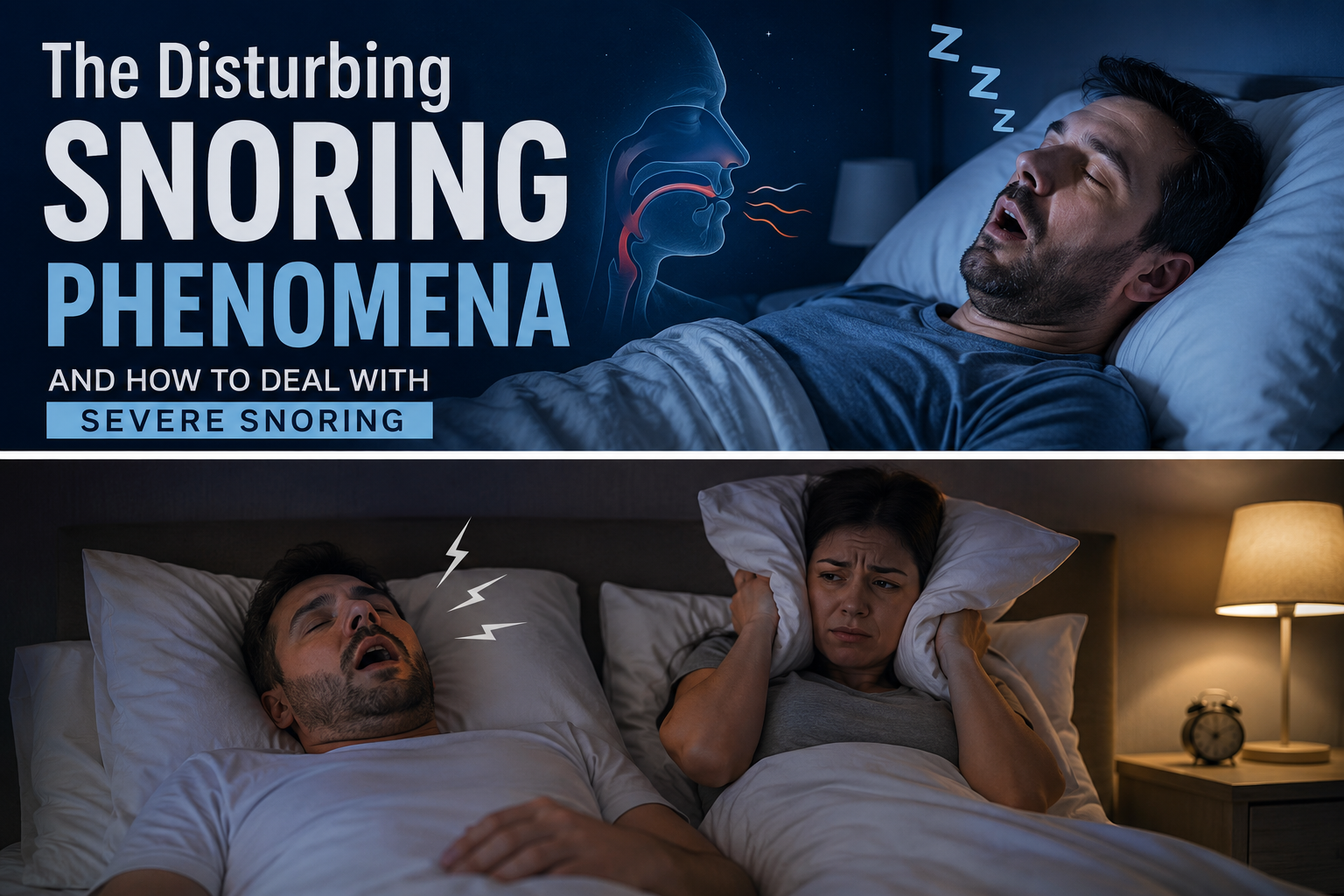
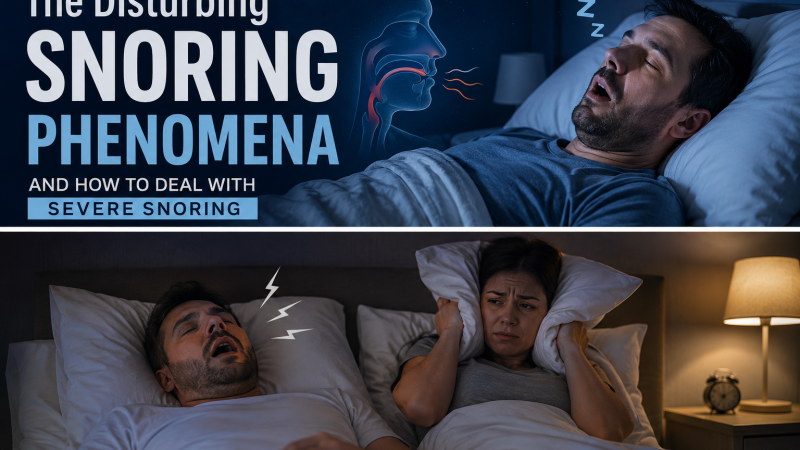
For many people around the world, nighttime does not always bring peace and rest. Instead, bedrooms become battlegrounds filled with disturbing sounds, interrupted sleep, frustration, exhaustion, and even fear. Snoring is often joked about in movies and memes, but severe snoring is not always harmless. In many cases, it can be a warning sign of deeper health problems that affect breathing, heart health, mental clarity, relationships, and overall quality of life. Get ready to deal with this. Nobody wants to deal with it but we are breaking the silence on snoring.
What begins as an occasional rumble during sleep can gradually become a nightly disturbance loud enough to wake partners, shake walls, and leave the snorer exhausted by morning. Severe snoring may also signal dangerous sleep disorders that deserve medical attention.
What Exactly Is Snoring?
Snoring happens when airflow is partially blocked during sleep. As air struggles to move through narrowed passages in the nose, mouth, or throat, surrounding tissues vibrate and create sound. The louder and harsher the vibration, the more severe the snoring becomes.
During sleep, muscles naturally relax. In some people, the tongue, throat tissues, or soft palate collapse enough to narrow the airway. This creates turbulence in breathing and produces the familiar snoring sound — from gentle humming to explosive choking noises.
Why Severe Snoring Is Disturbing
Severe snoring is more than an annoyance. It can affect physical health, emotional well-being, and relationships.
Sleep Deprivation
People living with loud snorers often experience broken sleep throughout the night. Over time, this may lead to:
- Chronic fatigue
- Mood swings
- Poor concentration
- Irritability
- Reduced productivity
- Depression and anxiety symptoms
Ironically, the snorer may also wake up exhausted without understanding why.
Relationship Strain
Many couples end up sleeping in separate rooms because of severe snoring. Emotional intimacy may suffer when one partner feels neglected, angry, or constantly sleep-deprived.
Dangerous Health Risks
Severe snoring can sometimes point to Obstructive Sleep Apnea, a condition where breathing repeatedly stops and starts during sleep. This disorder may increase the risk of:
- High blood pressure
- Stroke
- Heart disease
- Diabetes complications
- Memory problems
- Daytime accidents caused by exhaustion
Warning signs of sleep apnea include gasping, choking sounds during sleep, pauses in breathing, and extreme daytime sleepiness.
Common Causes of Severe Snoring
Several factors can contribute to snoring becoming severe.
Excess Weight
Extra fat around the neck can place pressure on the airway, making breathing more difficult during sleep.
Sleeping Position
Sleeping flat on the back allows the tongue and soft tissues to fall backward, partially blocking airflow.
Alcohol Consumption
Alcohol relaxes throat muscles excessively, increasing airway collapse.
Nasal Congestion
Blocked sinuses, allergies, colds, or structural nasal problems can force breathing through the mouth.
Smoking
Smoking irritates and inflames airway tissues, narrowing breathing passages.
Enlarged Tonsils or Adenoids
This is especially common in children but may also affect adults.
Aging
As people age, muscle tone in the throat weakens, making airway collapse more likely.
Prevention Tips for Snoring
Preventing snoring often requires lifestyle adjustments and better sleep habits.
Maintain a Healthy Weight
Even modest weight loss can reduce pressure on the airway and significantly improve breathing during sleep.
Sleep on Your Side
Side sleeping helps prevent the tongue and soft tissues from collapsing backward. Special body pillows can help maintain this position.
Avoid Alcohol Before Bed
Avoid drinking alcohol at least 3–4 hours before sleeping.
Establish Better Sleep Habits
Poor sleep schedules can worsen snoring. Aim for:
- Consistent sleeping hours
- Enough nightly sleep
- A calm, dark sleeping environment
Treat Nasal Congestion
Managing allergies, sinus infections, or chronic nasal blockage may improve airflow dramatically.
Stop Smoking
Quitting smoking can reduce inflammation in the throat and improve nighttime breathing.
Elevate the Head Slightly
Raising the head during sleep may help keep airways more open.
Treatment Recommendations for Severe Snoring
When snoring becomes intense, persistent, or dangerous, medical treatment may be necessary.
Continuous Positive Airway Pressure (CPAP)
A CPAP machine delivers steady air pressure through a mask while sleeping, helping keep airways open. It is one of the most effective treatments for severe sleep apnea.
Oral Appliances
Dentists may provide special mouth devices that reposition the jaw and tongue to improve airflow.
Medical Evaluation
A sleep specialist may recommend a sleep study to monitor breathing patterns, oxygen levels, and interruptions during sleep.
Surgery
In severe cases, surgery may help remove excess tissue, correct nasal blockages, or strengthen airway structures.
Lifestyle Therapy
Doctors often combine medical treatment with:
- Weight management
- Exercise
- Reduced alcohol intake
- Smoking cessation
- Sleep-position training
Home Remedies That May Help Mild Snoring
Some people find relief through simple home methods, especially for mild cases:
- Steam inhalation before bed
- Warm salt-water gargles
- Nasal strips
- Humidifiers
- Staying hydrated
- Honey in warm water or tea
These remedies may ease airway irritation and congestion, though they are usually not enough for severe sleep apnea.
When to Seek Medical Help
Snoring should not be ignored if it comes with:
- Choking or gasping during sleep
- Long pauses in breathing
- Severe daytime tiredness
- Morning headaches
- Chest pain at night
- High blood pressure
- Difficulty concentrating
These symptoms may indicate a serious sleep disorder requiring professional care.
Final Thoughts
Snoring may sound ordinary, but severe snoring can quietly destroy sleep quality, strain relationships, and threaten long-term health. The good news is that many cases improve through lifestyle changes, better sleep habits, medical treatment, and early intervention.
A silent night is not just about comfort — it is often a sign of healthier breathing, deeper rest, and a safer life.
Discover more from JOY FEELINGS
Subscribe to get the latest posts sent to your email.