




 admin
How neglected childhood habits become adult behaviours, affecting shared living spaces, relationships and workplaces.
A boy who is never taught to clean up after himself may grow into a man who expects the world to clean up after him.
It begins with something seemingly insignificant: a boy who leaves his plate on the table after eating, throws his clothes on the floor, leaves his bedroom untidy or walks away from a mess he has created because someone else will eventually take care of it.
Perhaps his mother will pick up the clothes. His sister will wash the dishes. A domestic worker will clean his room. Someone will eventually empty the rubbish bin, scrub the bathroom or arrange the things he has carelessly scattered around the house.
Nobody considers it a serious problem. He is just a boy, after all.
But what happens when that boy becomes an adult?
What happens when he moves into a shared apartment, gets married, becomes a father, joins a workplace or starts interacting with people who are no longer obligated to clean up after him?
The answer is worth examining because the habits we excuse in childhood can become the behaviours other people struggle with in adulthood.
The Childhood Excuse: He Is Just a Boy
In many households, boys and girls grow up under different expectations when it comes to cleanliness and domestic responsibilities.
Girls may be expected to learn how to sweep, wash dishes, fold clothes, clean bathrooms and maintain an orderly home from a relatively young age. Boys, however, may be given fewer domestic responsibilities or excused from participating because household chores are perceived as women’s work.
Sometimes, boys are only expected to clean when their mothers insist, their sisters complain or someone is coming to visit.
This creates an interesting contradiction. Parents may expect their sons to become independent, disciplined and responsible men, yet fail to equip them with some of the most basic skills required to live independently.
A child who is consistently rescued from the consequences of his own mess may never develop a sense of responsibility towards maintaining his surroundings.
He may learn that leaving things unattended is acceptable because another person will eventually take care of them.
The problem is not that boys naturally dislike cleanliness or are incapable of maintaining tidy spaces. It is that some are socialised into believing that someone else will always handle the responsibility.
And when such expectations become normalised, changing them in adulthood can be difficult.
When Messiness Becomes Someone Else’s Burden
There is a difference between occasionally forgetting to put something away and consistently expecting other people to manage the consequences of one’s actions.
Everyone can have a messy day. Adults get tired, become overwhelmed or simply postpone household tasks. However, there is a distinction between temporary disorder and a persistent refusal to take responsibility.
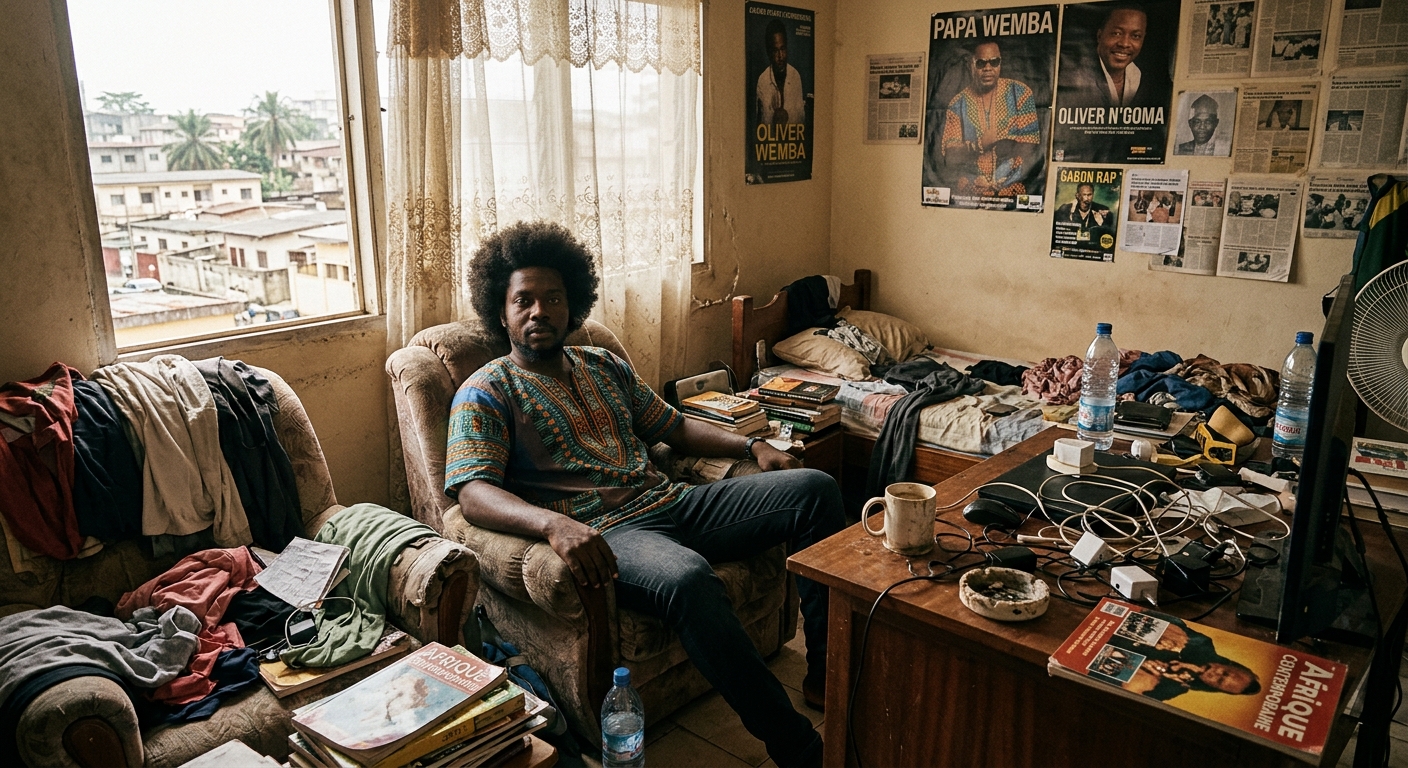
Consider a young man who lives with roommates. He regularly leaves dirty dishes in the kitchen, allows rubbish to accumulate, leaves the bathroom untidy after using it and expects others to maintain shared spaces.
His roommates eventually become frustrated. They may organise cleaning schedules, confront him or find themselves repeatedly cleaning up after him.
What appears to him to be a minor inconvenience becomes a source of tension for everyone else.
The same behaviour can follow him into relationships. A partner may find herself constantly picking up clothes, washing dishes, organising his belongings and reminding him to complete ordinary household tasks.
Eventually, the issue becomes bigger than the mess itself.
It becomes a question of consideration, fairness and respect.
When one person consistently leaves the responsibility of maintaining shared spaces to another, they are effectively transferring their workload to someone else.
This is particularly important in societies where women already carry a disproportionate share of unpaid domestic and caregiving responsibilities.
A boy who grows up believing that cleanliness is somebody else’s responsibility may become a man who unintentionally reproduces the same imbalance in his adult relationships.
The Mental Load of Having to Remind an Adult
One of the less visible consequences of poor domestic socialisation is the mental load placed on other people.
Imagine having to remind another adult to put away his clothes, wash his plate, clean the bathroom, empty the bin or replace the toilet paper.
At first, these reminders may seem harmless. But when they become routine, the person doing the reminding takes on another responsibility: managing someone else’s basic obligations.
The problem is no longer simply who washes the dishes. It is who notices that the dishes need washing, who remembers, who plans, who reminds and who eventually does the work.
This can create resentment in relationships because one partner begins to feel more like a parent than an equal companion.
A healthy relationship should not require one adult to supervise another adult’s basic cleanliness.
People should enter relationships with an understanding that living together involves shared responsibilities. Being loved, supported or provided for does not exempt anyone from contributing to the maintenance of a shared home.
Learning these responsibilities early helps boys understand that taking care of their environment is part of everyday adult life.
The Workplace Is Not an Exception
The consequences of neglecting cleanliness and personal responsibility do not stop at the household door.
Workplaces are also shared environments that require consideration and accountability.
An employee who leaves shared kitchen facilities dirty, fails to dispose of rubbish properly, neglects communal equipment or consistently leaves workspaces untidy creates additional work for colleagues.
In some environments, poor hygiene can also present health and safety concerns.
Personal hygiene matters too. Clean clothing, appropriate grooming, handwashing and maintaining basic sanitary standards contribute to a professional environment in which colleagues can interact comfortably.
Nobody should have to tolerate an unhygienic working environment because another adult was never taught to take care of himself or his surroundings.
Professionalism is not limited to qualifications, communication skills, punctuality and performance targets. It also includes how individuals treat shared spaces and the people who use them.
A person who understands that their actions affect others is more likely to appreciate why maintaining a clean and orderly environment matters.
This is not to suggest that every untidy employee has poor childhood upbringing. Work pressures, disability, health conditions, limited facilities and other circumstances can influence people’s ability to maintain cleanliness.
However, where individuals have the ability and resources to take responsibility, they should not assume that colleagues will continually compensate for their neglect.
The Difference Between Being Served and Being Independent
There is nothing wrong with parents helping their children. Childhood is a period of learning, and children need guidance, supervision and support.
But helping a child should not mean doing everything for them indefinitely.
A boy who is old enough to make a mess should gradually learn to participate in cleaning it up.
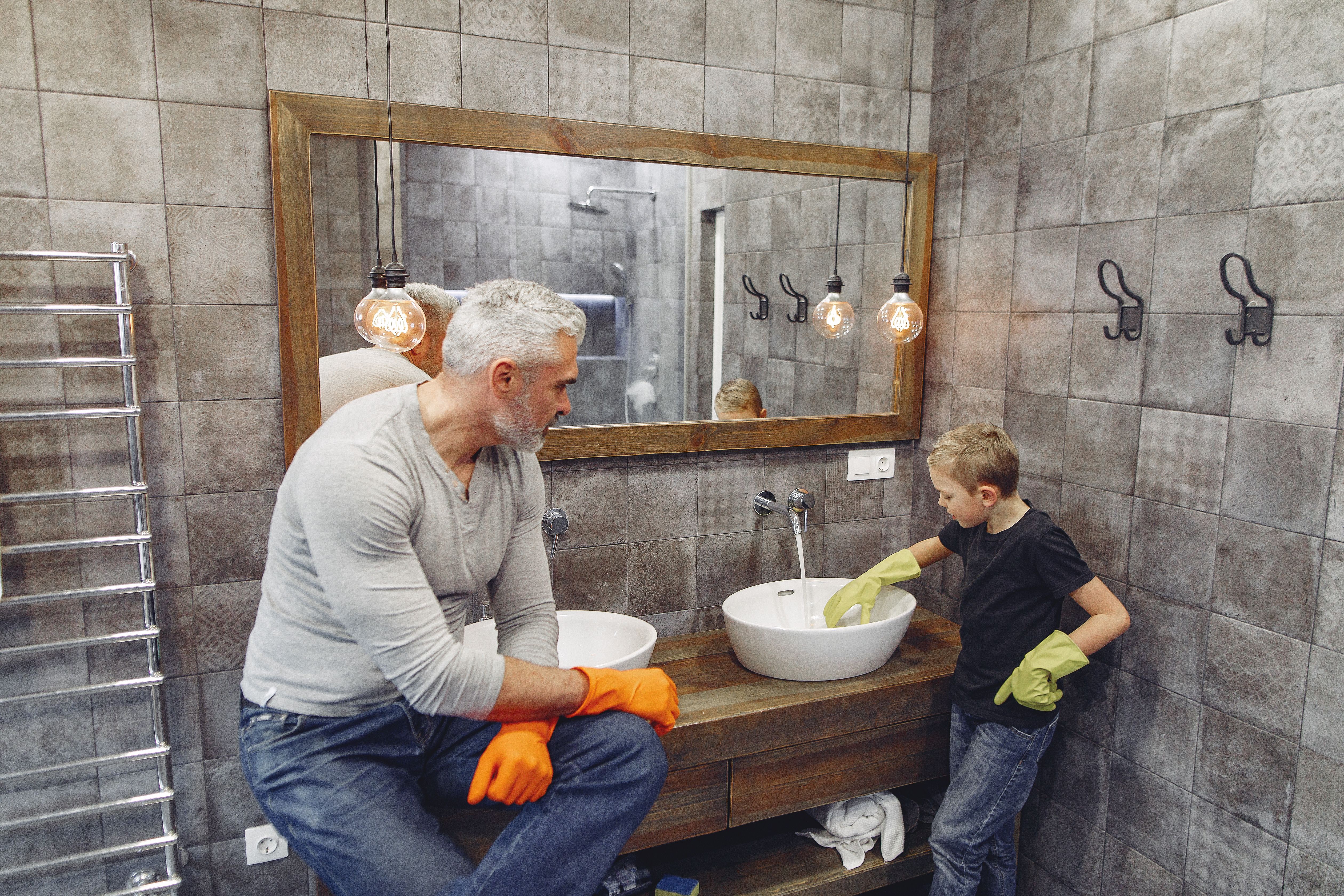
If he spills something, he should learn to wipe it. If he removes his clothes, he should learn where they belong. If he eats, he should learn to take his plate to the kitchen. If he uses a bathroom, he should learn to leave it clean for the next person.
These are not unreasonable demands. They are age-appropriate lessons in independence.
Parents sometimes confuse caring for their children with protecting them from every ordinary responsibility.
Yet, teaching a child to clean up after himself is an expression of care. It prepares him for a world in which other people will not always be available to do everything for him.
A boy who can maintain his personal space, wash his clothes, prepare a meal and clean up afterwards is better equipped to live independently.
He is also less likely to view domestic work as an inconvenience that should automatically fall to someone else.
Raising Boys Who Understand Shared Responsibility
Changing these attitudes requires deliberate action from families, schools and communities.
First, boys should be given domestic responsibilities from an early age, just as girls are. They should participate in cleaning, laundry, food preparation, organising personal belongings and maintaining shared spaces.
Second, fathers and male role models must participate visibly in household responsibilities. Boys should grow up seeing men who wash dishes, clean bathrooms, maintain their homes and practise good personal hygiene.
A lesson becomes more powerful when it is demonstrated rather than merely instructed.
Third, parents should resist the temptation to repeatedly clean up after their sons when they are capable of doing so themselves. Children need opportunities to take responsibility for their actions and understand the importance of completing tasks.
Schools can also reinforce these lessons through practical life-skills education, environmental clubs, sanitation programmes and shared responsibilities for maintaining learning spaces.
Most importantly, boys should not be made to feel that cleaning is punishment or an activity that reduces their masculinity.
They should understand that being able to care for oneself and one’s surroundings is a sign of maturity, independence and consideration.
A Clean Space Is a Shared Responsibility
Perhaps one of the most important lessons boys need to learn is that they do not live in isolation.
Their behaviour affects other people.
The plate left on the table becomes somebody else’s washing. The dirty bathroom becomes somebody else’s inconvenience. The rubbish left unattended becomes a problem for everyone sharing the space.
These may appear to be small things, but everyday social responsibility is often demonstrated through small actions.
A person who cleans up after himself acknowledges that other people’s time and effort matter.
A person who maintains shared spaces recognises that the comfort and wellbeing of others are equally important.
And a person who takes responsibility without waiting to be reminded demonstrates an understanding of what it means to live cooperatively.
This is why cleanliness education should not be dismissed as an ordinary household matter. It is part of preparing children to participate responsibly in society.
The Man We Raise Is the Adult We Live With
The boy who never learned to clean up after himself does not necessarily have to become an irresponsible adult. Childhood habits can be unlearned, and adults can develop new behaviours through awareness, discipline and deliberate effort.
However, it is unfair to expect adulthood to automatically correct lessons that were neglected during childhood.
We cannot continue raising boys with the expectation that mothers, sisters, wives, domestic workers and colleagues will eventually teach them the responsibilities we failed to establish at home.
We must begin earlier.
Teach him to wash his plate. Teach him to put away his clothes. Teach him to clean the bathroom after using it. Teach him to maintain his personal hygiene. Teach him to respect shared spaces.
And, perhaps most importantly, teach him that he is not entitled to another person’s labour simply because they are willing or expected to provide it.
The objective is not to raise boys who are afraid of making a mess. It is to raise boys who understand that when they make one, they have a responsibility to clean it up.
Because the making of a responsible man is not only about the career he builds, the money he earns, the family he provides for or the status he achieves.
It is also about the everyday consideration he extends to the people with whom he shares the world.
Raise boys who clean up after themselves. Raise men who do not make their mess somebody else’s responsibility.
LET’S TALK
- Should boys and girls receive equal training in household cleanliness from childhood?
- Is a man who cannot maintain his own living space adequately prepared for shared domestic life?
- Are parents unknowingly raising boys who expect women to take care of them?
- How much of adult irresponsibility can be traced back to childhood socialisation?
The Making of a Clean Man — Episode 2
Live The Joy Life!
Discover more from JOY FEELINGS
Subscribe to get the latest posts sent to your email.