

 admin
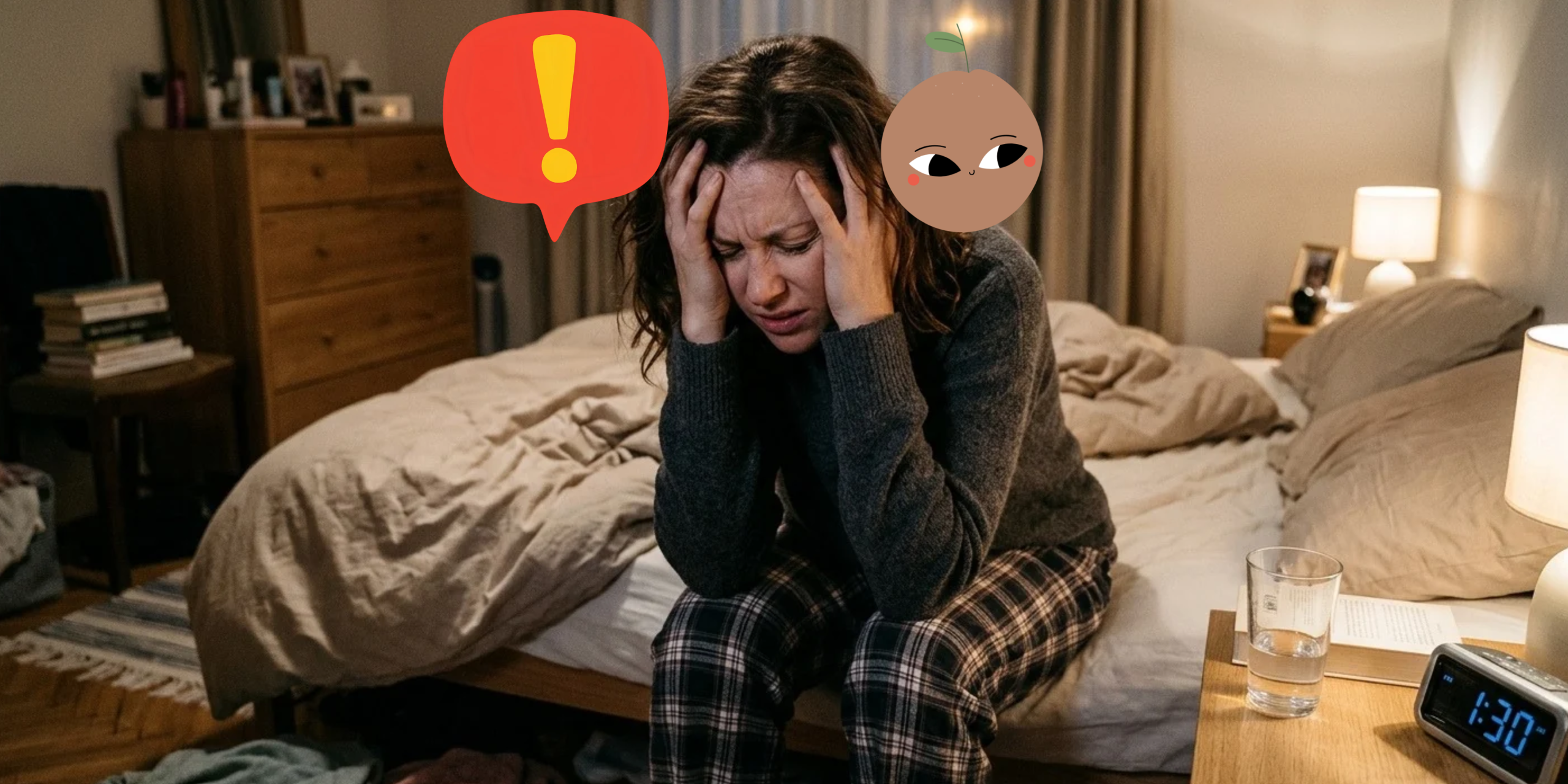
There are health problems that announce themselves loudly, demanding immediate attention through pain, fever, bleeding or obvious changes in the body, and then there are conditions that can quietly develop for years while a woman continues working, raising a family, pursuing her career, exercising, travelling and living what appears to be a perfectly normal life. High blood pressure belongs to the second category, which is precisely why it deserves so much attention.
Hypertension, or persistently elevated blood pressure, is one of the world’s most common health conditions, affecting an estimated 1.4 billion adults aged 30–79 in 2024, according to the World Health Organization, yet approximately 44% of people with hypertension are unaware that they have it. The burden is particularly significant in low- and middle-income countries, where about two-thirds of adults with hypertension live. (World Health Organization)
For women, blood pressure deserves attention across the entire life course because the factors influencing cardiovascular health can change dramatically from the reproductive years through pregnancy, the postpartum period, perimenopause and menopause.
The most important thing to understand is remarkably simple:
You cannot reliably tell whether your blood pressure is high by the way you feel. You have to measure it.
What exactly is blood pressure?
Every time your heart beats, it pushes blood through the arteries to deliver oxygen and nutrients throughout the body, creating pressure against the walls of those blood vessels.
When blood pressure is measured, two numbers are recorded: the systolic pressure, which is the pressure when the heart contracts, and the diastolic pressure, which is the pressure when the heart relaxes between beats.
A reading such as 120/80 mmHg therefore represents two different aspects of the pressure inside your arteries.
The problem arises when pressure remains elevated over time.
According to the WHO, hypertension in adults is diagnosed when blood pressure is 140/90 mmHg or higher on measurements taken on two different days, although individual treatment targets can vary according to a person’s cardiovascular risk and other health conditions. The 2025 American Heart Association/American College of Cardiology guideline uses a lower threshold for defining hypertension and sets an overall treatment goal of below 130/80 mmHg for most adults, illustrating why women should discuss their individual readings with a healthcare professional rather than relying on a single number found online. (World Health Organization)
The important word is persistent.
One unusually high reading does not necessarily mean you have hypertension.
Stress, anxiety, recent exercise, caffeine, illness, pain and even the circumstances in which your blood pressure is measured can temporarily affect the result.
But repeatedly elevated readings deserve proper medical assessment.
Why is high blood pressure called a silent problem?
The frightening thing about hypertension is not usually how it feels.
It is how little it may feel.
The WHO states that most people with hypertension do not experience noticeable symptoms, meaning that someone can have significantly elevated blood pressure while feeling completely well. (World Health Organization)
This creates a dangerous psychological trap.
A woman may think:
“I feel healthy, so my blood pressure must be fine.”
But blood pressure does not work that way.
You can wake up feeling energetic, go to work, exercise, eat lunch, laugh with friends and go to bed without the slightest indication that your blood vessels are being exposed to excessive pressure.
Meanwhile, over many years, uncontrolled hypertension can contribute to damage involving the heart, brain, kidneys, eyes and blood vessels.
That is why checking blood pressure should become as ordinary as checking other important health indicators.
Your heart is not the only organ at risk
When blood pressure remains high, the cardiovascular system is continually exposed to greater mechanical stress.
Over time, this can contribute to changes in the heart and arteries and increase the risk of cardiovascular disease.
Hypertension is a major risk factor for heart attack, heart failure, stroke, atrial fibrillation and chronic kidney disease, and the American Heart Association’s 2025 guideline also highlights its association with cognitive decline and dementia. (professional.heart.org)
The brain is particularly important in this conversation.
A stroke can occur when a blood vessel supplying the brain becomes blocked or ruptures, and high blood pressure is one of the most important modifiable risk factors for stroke.
This means that checking your blood pressure is not simply about protecting your heart.
It is also an investment in your future brain health.
Why women need to pay particular attention
Hypertension is not exclusively a women’s health problem, but women experience several life stages and circumstances that make cardiovascular risk assessment particularly important.
Pregnancy is one of them.
Another is the transition through menopause.
And another is the use of certain medications, including some hormonal contraceptives, which can affect blood pressure in susceptible women.
The American Heart Association has highlighted pregnancy, birth control and menopause as women’s health factors that can influence hypertension and stroke risk. (American Heart Association)
This is why blood pressure should not be treated as something that only becomes relevant when a woman is elderly.
It is a lifelong health measurement.
Pregnancy can reveal important information about future health
Pregnancy places significant demands on the cardiovascular system, and some women develop hypertension during pregnancy even if their blood pressure was previously normal.
According to the U.S. Centers for Disease Control and Prevention, hypertensive disorders affect approximately 5% to 10% of pregnancies, and high blood pressure during pregnancy can place both mother and baby at risk. (CDC)
One particularly important condition is preeclampsia, a pregnancy-related hypertensive disorder that can become dangerous if not recognised and managed.
Warning signs can include severe headache, vision changes, upper abdominal pain, sudden swelling and other concerning symptoms, although women should not wait for symptoms before attending antenatal appointments because blood pressure monitoring is an essential part of prenatal care.
The implications can extend beyond pregnancy.
The American College of Obstetricians and Gynecologists notes that women who have experienced preeclampsia have an increased risk of developing hypertension and cardiovascular disease later in life. (ACOG)
In other words, a pregnancy complicated by high blood pressure should not necessarily be forgotten once the baby is born.
It can become an important part of a woman’s long-term cardiovascular history.
The postpartum period matters too
Giving birth does not automatically mean that blood-pressure concerns disappear.
High blood pressure can persist after delivery, and preeclampsia can also occur in the postpartum period.
The CDC specifically advises women to pay attention to how they feel after giving birth and to seek urgent medical attention for symptoms that could indicate postpartum preeclampsia. (CDC)
This is one reason postpartum care should not be viewed simply as a check on whether the baby is growing well.
The mother’s health matters too.
A woman who experienced hypertension or preeclampsia during pregnancy should discuss appropriate follow-up with her healthcare professional rather than assuming the issue has permanently disappeared.
Then comes the menopause transition
As women approach perimenopause and menopause, cardiovascular health becomes an increasingly important conversation.
Hormonal and metabolic changes during this transition can coincide with changes in several cardiovascular risk factors, including blood pressure, cholesterol, blood sugar and body composition.
The American Heart Association describes the menopause transition as an important opportunity to reassess cardiovascular risk and introduce preventive measures early, with recent research showing a decline in overall cardiovascular health during perimenopause compared with the reproductive years. (American Heart Association)
This does not mean that menopause itself causes hypertension in every woman.
Rather, it means that the transition represents an important period for paying closer attention to cardiovascular health.
A woman who has rarely thought about her blood pressure in her 30s may find that her 40s and 50s are an excellent time to become much more intentional about monitoring it.
What about hormonal contraception?
Some women experience increases in blood pressure associated with hormonal contraceptives, and the risk may be greater in women who already have certain risk factors.
This is why blood pressure measurement is important when choosing contraception and during ongoing care.
It should not be assumed that every woman taking hormonal contraception will develop hypertension, but women should tell their healthcare providers about their medical history, including previous high blood pressure, kidney disease, cardiovascular problems and family history.
The American Heart Association has noted the relationship between some birth-control pills and increased blood pressure in susceptible women. (American Heart Association)
The same principle applies to other hormone-containing medications.
For example, research published through the American Heart Association found that women aged 45 and older taking oral estrogen hormone therapy were more likely to develop hypertension than women using transdermal or vaginal formulations, although decisions about hormone therapy are individual and depend on the reason for treatment and a woman’s overall health. (American Heart Association)
This is not a reason to fear hormonal treatment.
It is a reason to monitor blood pressure and discuss treatment choices with a qualified healthcare professional.
Salt may matter more than you realise
One of the simplest ways to support healthy blood pressure is to pay attention to sodium.
The WHO recommends that adults consume less than 2,000 mg of sodium per day, equivalent to less than 5 grams of salt—roughly one teaspoon from all sources combined. WHO’s 2026 sodium guidance notes that global sodium consumption remains substantially above this recommendation and identifies high sodium intake as an important contributor to raised blood pressure. (World Health Organization)
The challenge is that sodium does not come only from the salt shaker.
It can be present in processed meats, packaged snacks, sauces, instant foods, stock cubes, breads, processed cheeses and many commercially prepared foods.
For women trying to reduce blood pressure, therefore, the question should not simply be:
“How much salt do I add to my food?”
It should also be:
“How much sodium is already in the food I regularly eat?”
Cooking more meals from fresh or minimally processed ingredients can make this easier.
Eat for your blood vessels
There is no single food that magically lowers blood pressure.
Instead, the overall dietary pattern matters.
A heart-supportive diet generally emphasises vegetables, fruits, legumes, whole grains, nuts, seeds and appropriate sources of protein while limiting excessive sodium, highly processed foods and unhealthy fats.
This does not require abandoning familiar African or Ugandan foods.
Traditional meals can often be adapted by increasing vegetables and beans, choosing appropriate portions of staple carbohydrates, using less salt and processed seasoning, limiting heavily fried foods and including fruits and other minimally processed foods regularly.
The WHO specifically recommends healthier diets containing more fruits and vegetables and less excessive salt, saturated fat and trans fat as part of hypertension prevention and management. (World Health Organization)
Exercise is medicine for blood pressure
You do not need to become a marathon runner to protect your blood pressure.
Walking briskly, dancing, cycling, swimming, jogging and other forms of aerobic activity can contribute to cardiovascular health.
WHO recommends that adults accumulate at least 150 minutes of moderate-intensity physical activity per week, or 75 minutes of vigorous activity, or an equivalent combination, while also undertaking muscle-strengthening activity on at least two days each week. (World Health Organization)
For someone who has been inactive, however, there is no need to begin with a punishing exercise routine.
Start with manageable movement and gradually increase duration and intensity.
A brisk 30-minute walk on most days can be a much better long-term strategy than an extremely difficult workout that you abandon after a few weeks.
Your weight is only one part of the story
Being overweight or obese can increase the risk of hypertension, but blood pressure is not simply a measure of body size.
Thin women can have high blood pressure.
Athletic women can have high blood pressure.
Young women can have high blood pressure.
Women with no obvious symptoms can have high blood pressure.
Family history, age, kidney disease, diabetes, physical inactivity, diet, alcohol, tobacco and other factors can all contribute. (World Health Organization)
So losing weight, when medically appropriate, can help, but it should never be the only health strategy.
Know your numbers regardless of your size.
Stress matters, but don’t blame everything on stress
Stress is a normal part of life, and acute stress can temporarily raise blood pressure as the body responds to a perceived challenge.
Chronic stress can also influence behaviours that affect cardiovascular health, such as sleep, physical activity, eating patterns and alcohol consumption.
But it is important not to assume that high blood pressure is simply “because you are stressed.”
Persistent hypertension requires proper assessment.
The WHO recommends reducing and managing stress as part of a broader approach to hypertension prevention and control, alongside healthy eating, physical activity, tobacco cessation and appropriate medical treatment. (World Health Organization)
Home monitoring can be extremely useful
For some people, checking blood pressure at home provides valuable information about what their numbers look like outside a clinic.
A healthcare professional can advise you on whether home monitoring is appropriate and how frequently to measure it.
If you do measure at home, use a validated upper-arm device where possible, sit quietly before taking the measurement, keep your arm appropriately supported and avoid interpreting one isolated reading as a diagnosis.
Keep a record of repeated readings and share them with your healthcare provider.
This can help distinguish occasional elevation from a persistent pattern and can also help monitor how well treatment is working.
Don’t stop medication because you feel better
One of the most dangerous misunderstandings about hypertension is the idea that medication is only necessary when symptoms are present.
If a prescribed blood-pressure medicine is working, you may feel exactly the same as you did before taking it.
That does not mean it is unnecessary.
It may mean it is doing its job.
The WHO recommends evidence-based pharmacological treatment for appropriately diagnosed hypertension alongside lifestyle measures, with treatment choices and blood-pressure targets tailored to the individual. (World Health Organization)
Never stop, reduce or change blood-pressure medication without discussing it with the healthcare professional who prescribed it.
Lifestyle changes can be powerful, but many people still require medication to achieve adequate control.
When should you seek urgent help?
Although ordinary hypertension is usually silent, very high blood pressure accompanied by concerning symptoms can be an emergency.
The WHO identifies symptoms associated with very high blood pressure that can include severe headache, chest pain, difficulty breathing, confusion, vision changes, nausea or vomiting and other serious symptoms. (World Health Organization)
A reading around 180/120 mmHg or higher, particularly when accompanied by symptoms such as chest pain, severe shortness of breath, weakness, confusion or changes in vision, requires urgent medical assessment.
Do not attempt to manage severe symptoms at home with herbal remedies, leftover medication or someone else’s blood-pressure tablets.
Seek emergency medical care.
The blood-pressure check that takes minutes can protect decades of life
Perhaps the most frustrating thing about hypertension is that it is often preventable, manageable or treatable, yet millions of people live with it without knowing.
The WHO estimates that only around 23% of adults with hypertension had their blood pressure controlled in 2024, demonstrating just how large the gap remains between having effective treatments available and actually achieving control. (World Health Organization)
For women, the message should therefore be simple and empowering rather than frightening.
Know your blood pressure.
Know your family history.
Pay attention during pregnancy.
Do not ignore a history of preeclampsia or gestational hypertension.
Monitor your cardiovascular health during the menopause transition.
Move your body regularly.
Eat more whole foods and reduce excessive sodium.
Avoid tobacco.
Limit harmful alcohol use.
Get enough sleep.
Attend routine medical appointments.
And if you are prescribed medication, take it as directed.
Your numbers are part of your story
There is something reassuring about blood pressure because, unlike many health risks, it can be measured.
You don’t have to guess.
You don’t have to wait until you develop a headache.
You don’t have to wait until you feel weak.
You don’t have to wait until you are older.
You can simply have it checked.
A blood-pressure cuff may squeeze your arm for less than a minute, but that small measurement can reveal information about the health of your cardiovascular system that you cannot necessarily feel for yourself.
And perhaps that is the most important message for every woman:
Feeling well is wonderful, but knowing your numbers is wiser.
Your blood pressure today is not a prediction of your future, but it is information about your health that gives you an opportunity to act.
You can walk.
You can dance.
You can change your diet.
You can reduce excess sodium.
You can stop smoking.
You can manage other health conditions.
You can take prescribed medication.
You can seek medical advice.
You can monitor your progress.
The silent nature of hypertension is precisely why women should not wait for their bodies to complain before paying attention.
Check it. Know it. Manage it. Protect the heart, brain and kidneys that will carry you through the decades ahead.
Discover more from JOY FEELINGS
Subscribe to get the latest posts sent to your email.