



 admin

A man’s appearance may introduce him to the world, but his personal hygiene tells people something about how he takes care of himself.
There are certain lessons every boy should learn before becoming a man. How to communicate, how to manage money, how to respect others, how to make decisions and how to take responsibility for his actions are among the many skills that contribute to adulthood.
But there is another equally important lesson that sometimes receives less attention: learning how to take care of one’s own body.
Bathing regularly, brushing one’s teeth, wearing clean clothes, maintaining neat nails, grooming appropriately and managing body odour may seem like ordinary routines. Yet, these habits form an important part of personal development, social interaction and general wellbeing.
Personal hygiene is not simply about looking attractive or impressing other people. It is about understanding that one’s body deserves care and that the way we maintain ourselves can affect the people around us.
For boys, these lessons should begin early. Unfortunately, in some households, personal grooming and cleanliness are not given the same emphasis for boys as they are for girls. Boys may be allowed to neglect certain routines, with the assumption that they will naturally become more conscious of their appearance when they grow older.
But good hygiene is a learned habit, not an automatic achievement of adulthood.
Bathing: More Than Just Getting Wet
One of the most basic personal hygiene practices is bathing. Yet, the importance of bathing properly and regularly is sometimes underestimated, particularly when children are not consistently guided through personal care routines.
As children grow, they should learn how to wash their bodies properly, pay attention to areas that accumulate sweat, dry themselves appropriately and wear clean clothing afterwards.
During puberty, these lessons become even more important. Hormonal changes increase sweat production and can contribute to body odour. Boys need to understand that their changing bodies require more deliberate attention.
Bathing helps remove sweat, dirt, excess oils and microorganisms from the skin. It also helps reduce unpleasant body odour and supports general cleanliness.
However, personal hygiene should not become an exercise in excessive washing or harsh scrubbing. Gentle cleansing, appropriate products and regular routines are generally sufficient.
The important lesson is consistency. A boy should not have to wait for someone to complain about his body odour before recognising the need to bathe.
Oral Hygiene: The Confidence Behind a Healthy Smile
Oral hygiene is another area that deserves greater attention in the upbringing of boys.
Brushing teeth twice daily with fluoride toothpaste, cleaning between the teeth and attending dental check-ups are important practices for maintaining healthy teeth and gums.
Yet, some children grow up without developing consistent oral hygiene routines. They may brush their teeth only when reminded, skip brushing before bedtime or neglect dental care until discomfort develops.
These habits can contribute to tooth decay, gum disease and persistent bad breath.
Oral hygiene is not simply about having an attractive smile. It is part of maintaining overall health.
Boys should learn early that brushing their teeth is a daily responsibility, not an activity reserved for mornings when they are going to school or meeting people.
Parents can help establish these habits by making toothbrushing part of the morning and bedtime routine, supervising younger children and encouraging regular dental care.
A healthy smile should not depend on somebody constantly reminding a boy to pick up his toothbrush.
Clean Clothing: What You Wear Matters
Personal cleanliness does not end with bathing. What a person wears afterwards also matters.
Wearing clean underwear, changing socks, washing shirts and trousers regularly and ensuring that clothes are properly dried are important aspects of personal hygiene.
Some boys may not understand the difference between clothing that looks clean and clothing that is actually clean. A shirt may appear presentable but still carry sweat and unpleasant odours from previous use.
This is particularly relevant during adolescence, when physical activity and hormonal changes can increase perspiration.
Boys should be taught how to sort their laundry, wash their clothes, dry them properly, store them neatly and recognise when an item needs changing.
These are practical life skills that support independence.
A young man should not have to depend on a mother, sister, partner or domestic worker to ensure that he always has clean underwear, socks or shirts.
Knowing how to maintain one’s clothing is part of knowing how to take care of oneself.
Body Odour: An Awkward Conversation Worth Having
Body odour is one of those subjects that people often find uncomfortable discussing, particularly with boys.
However, avoiding the conversation does not make the issue disappear.
Body odour commonly develops when bacteria on the skin break down substances in sweat. Areas such as the armpits and feet can be particularly prone to unpleasant smells.
As boys enter puberty, increased activity of certain sweat glands can make body odour more noticeable.
They should therefore be taught about regular bathing, changing sweaty clothing, washing socks, keeping feet dry and using an appropriate deodorant or antiperspirant where helpful.
It is also important to explain that deodorants and perfumes do not replace bathing. Spraying fragrance over an unwashed body does not solve the underlying hygiene problem.
Parents and caregivers should approach body odour sensitively. Puberty is already a period of significant physical and emotional change. Humiliating a boy about how he smells can damage his confidence and make him reluctant to discuss personal care.
The better approach is to make hygiene conversations normal, practical and free from embarrassment.
Nail Care: The Small Details We Overlook
Fingernails and toenails may seem like minor details, but they are also part of personal hygiene.
Dirt can accumulate underneath nails, particularly among children who play outdoors, participate in sports or work with their hands.
Boys should learn to wash their hands properly, clean underneath their nails and trim them regularly.
Long or dirty nails can harbour dirt and microorganisms, making proper handwashing more difficult.
Toenail care also matters. Nails should be trimmed carefully and feet washed and dried properly, including between the toes. This helps maintain foot hygiene and reduces the risk of certain infections.
These small routines communicate an important lesson: personal care is not only about the parts of the body that other people can immediately see.
It is about maintaining the whole body.
Grooming Is About Taking Responsibility for Yourself
Grooming is sometimes treated as a feminine interest, particularly in societies where boys are encouraged to spend less time thinking about their appearance.
But there is a difference between vanity and personal grooming.
Keeping hair clean and appropriately maintained, shaving or trimming facial hair where desired, caring for the skin and wearing presentable clothing are ordinary aspects of looking after oneself.
Boys should be allowed to understand grooming without being made to feel that taking an interest in their appearance somehow diminishes their masculinity.
A well-groomed man is not necessarily someone who spends hours in front of a mirror or buys expensive personal care products.
He is someone who understands the importance of presenting himself in a clean and appropriate manner.
Personal grooming also contributes to confidence. Feeling clean and presentable can make social interactions more comfortable and help individuals feel prepared for different environments, from classrooms and workplaces to social gatherings.
The goal should not be to impose unrealistic beauty standards on boys. It should be to encourage healthy, manageable habits that support their wellbeing.
Hygiene and the People Around Us
Personal hygiene is often discussed as an individual responsibility, but its importance extends beyond the individual.
We interact with other people every day. We share classrooms, public transport, offices, restaurants, homes and recreational spaces.
Our hygiene practices can influence the comfort and health of those environments.
Washing hands after using the toilet, before preparing food and before eating helps reduce the spread of infections. Covering the mouth when coughing or sneezing, maintaining clean clothing and practising appropriate personal care are also ways of showing consideration for others.
Imagine sharing an office with someone who consistently neglects personal hygiene, or living with someone who refuses to maintain basic cleanliness.
The discomfort can affect relationships, cooperation and the quality of shared experiences.
This is why personal hygiene should not be dismissed as a private matter that concerns nobody else.
Taking care of oneself is also a way of respecting the people with whom one shares space.
Parents: The Hygiene Habits You Teach Today Matter Tomorrow
Parents and guardians have a significant role in establishing healthy hygiene routines.
Boys should not be left to figure out personal care entirely on their own. They need practical guidance, age-appropriate instruction and positive examples.
Mothers, fathers, teachers and other caregivers should make hygiene education part of everyday upbringing.
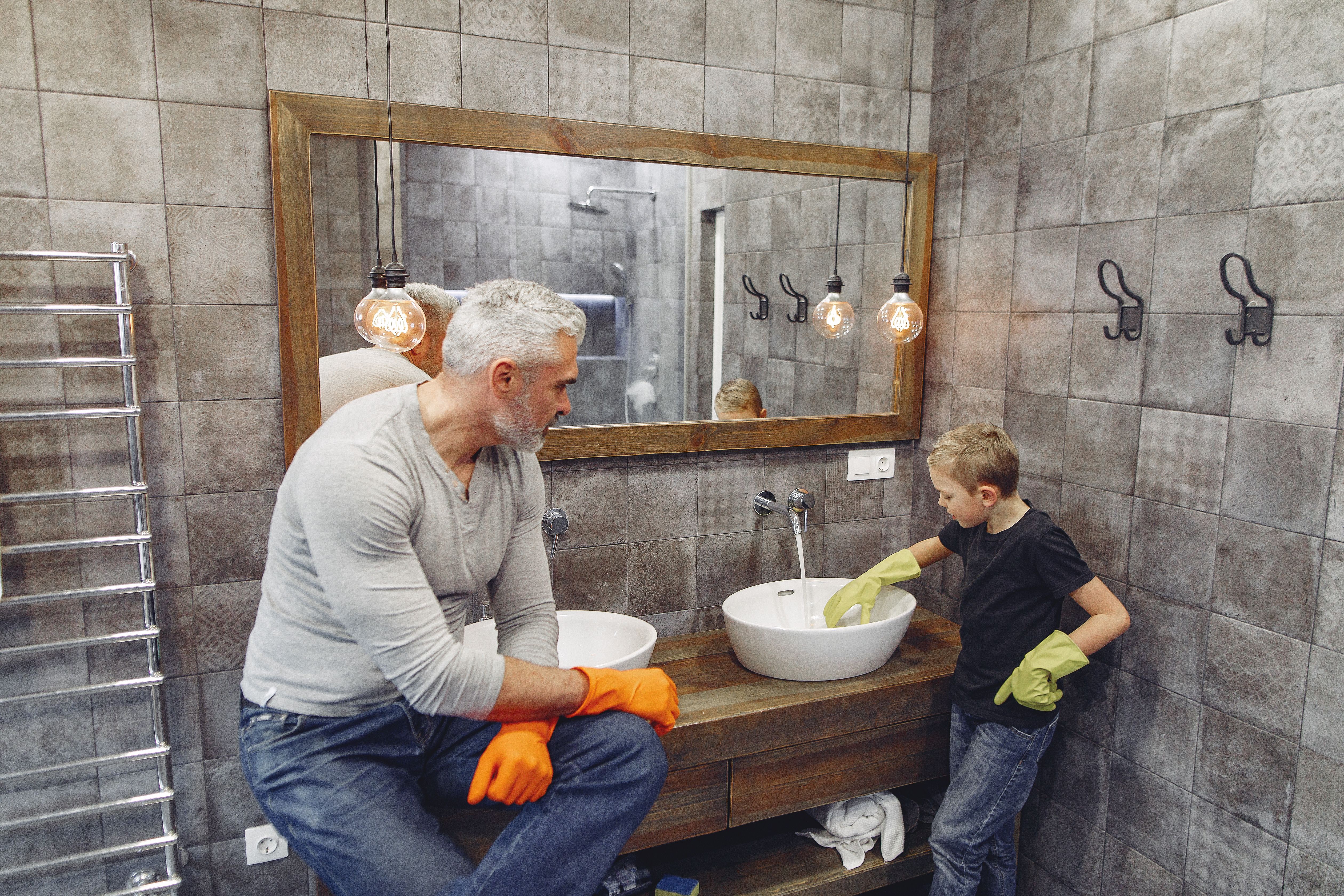
Fathers, in particular, can play an important role by demonstrating good grooming and personal care practices. A boy who sees his father maintaining his appearance, brushing his teeth, bathing regularly, washing his clothes and keeping his surroundings clean learns that these behaviours are a normal part of responsible manhood.
Parents should also equip boys with basic personal care supplies and teach them how to use them. Soap, toothpaste, a toothbrush, clean towels, nail clippers, appropriate deodorant and clean underwear should be treated as ordinary necessities rather than occasional luxuries.
For families with limited resources, hygiene education should also acknowledge the importance of access to clean water, sanitation facilities and affordable hygiene products. Not every hygiene challenge is a matter of individual discipline.
Nevertheless, where resources are available, boys should be encouraged to use them responsibly.
Personal Hygiene Is Not About Impressing Women
Perhaps one of the misconceptions worth challenging is the idea that men should maintain good hygiene primarily to attract women or become more appealing to potential partners.
While personal cleanliness can certainly contribute to healthy romantic relationships, its importance is much broader.
A boy should learn to bathe because his body deserves care. He should brush his teeth because oral health matters. He should wear clean clothes because cleanliness is part of looking after himself. He should maintain his nails because personal care is a responsibility, not a performance.
He should not need a girlfriend, wife, mother or sister to remind him that he needs to wash, groom himself or change his clothes.
Personal hygiene should exist independently of relationship status.
Whether a man is single, married, living alone or sharing a home with others, taking care of himself remains his responsibility.
Raising Boys Who Understand Self-Respect
The making of a responsible man involves more than teaching him how to earn a living, provide for a family or achieve professional success.
It also involves teaching him how to manage the ordinary details of everyday life.
A boy who learns to maintain his hygiene develops habits that support independence, confidence and consideration for others.
He learns that cleanliness is not something to be outsourced, that grooming is not a gendered activity and that taking care of his body is not dependent on someone else’s approval.
These lessons may seem small when compared with the larger ambitions parents have for their sons. But they are among the foundations of independent adulthood.
We should raise boys who understand that looking after themselves is not a favour they perform for other people. It is a responsibility they owe themselves.
A clean body is not a measure of a man’s worth, but the willingness to take care of oneself is an important part of personal responsibility.
Teach boys to bathe. Teach them to brush their teeth. Teach them to care for their clothes, nails, skin and hair. Teach them to understand their changing bodies and develop healthy routines.
And above all, teach them that personal hygiene is not a girl’s responsibility, a mother’s duty or a wife’s assignment.
It is self-respect. And self-respect should begin in childhood.
Live The Joy Life!
Discover more from JOY FEELINGS
Subscribe to get the latest posts sent to your email.