



 admin
admin 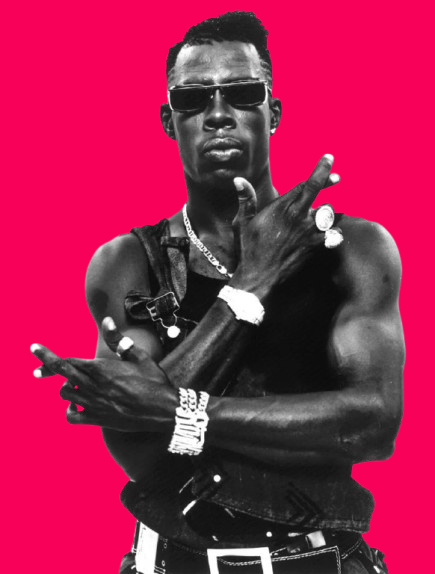
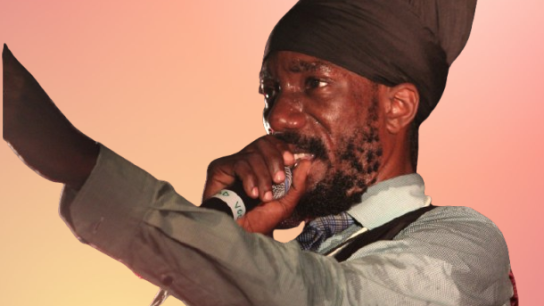
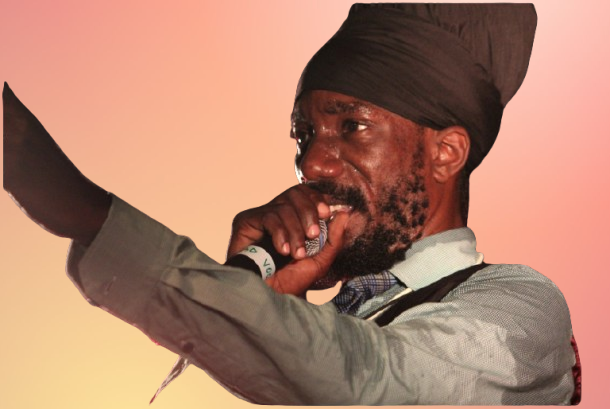
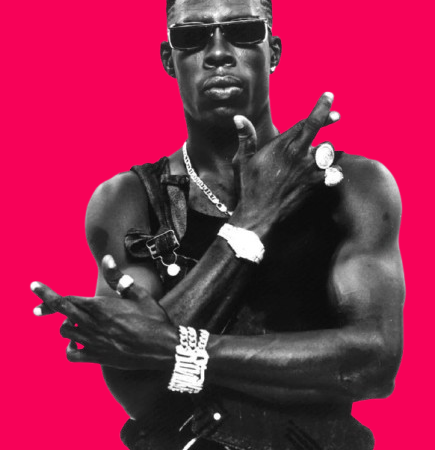
Before dancehall became global entertainment, before Caribbean rhythms conquered mainstream charts and African nightlife alike, there was one figure who transformed the genre into an international force with sheer presence alone: Shabba Ranks.
To speak of dancehall royalty without mentioning Shabba Ranks is to leave out one of the genre’s most defining architects. His rise was explosive, his reign unmatched, and his eventual withdrawal from the spotlight marked the end of a dominant era in Jamaican music.
Born Rexton Rawlston Fernando Gordon in Kingston, Jamaica, Shabba Ranks emerged during the late 1980s carrying a sound that was impossible to ignore. His voice was deep, commanding, and militaristic—an unmistakable growl that separated him from every artist of his generation. While many performers relied on melody or speed, Shabba weaponized authority. He sounded larger than the riddims themselves.
And audiences across Africa listened.
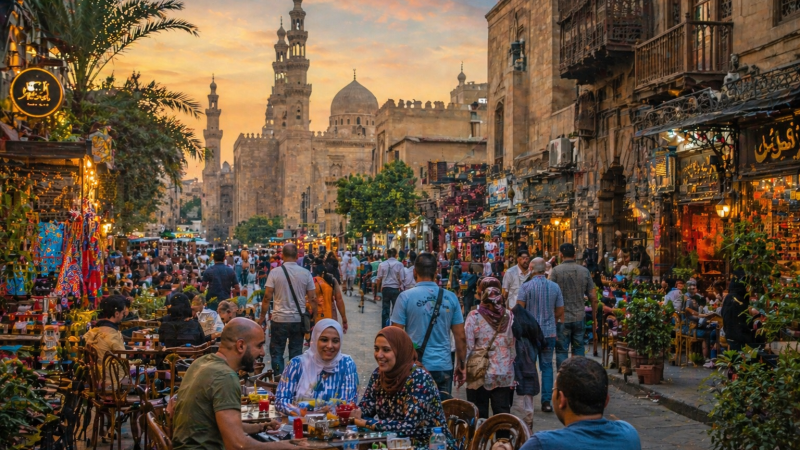
From Kampala to Nairobi, Lagos to Johannesburg, Shabba Ranks became more than a dancehall artist—he became a cultural symbol. His music thundered through clubs, taxis, street parties, and radio stations, introducing African audiences to a harder, more rugged side of dancehall that still carried undeniable groove and charisma.
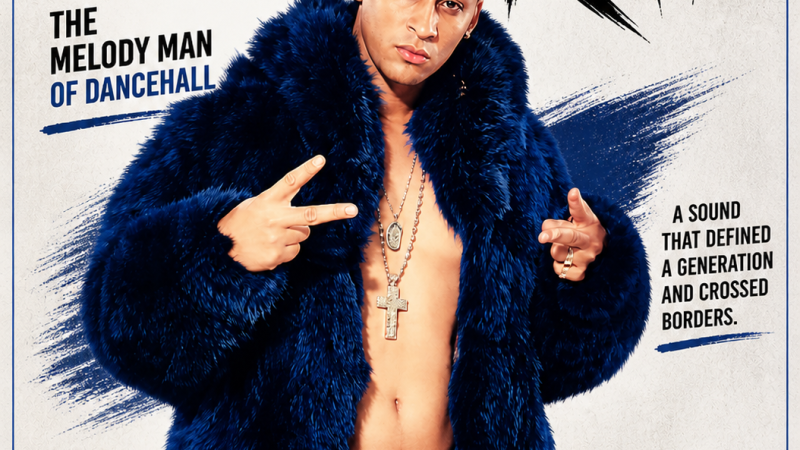
His commercial peak arrived with landmark albums like As Raw As Ever and X-tra Naked, both of which cemented his position as dancehall’s first true international superstar. As Raw As Ever produced global hits and achieved platinum certification, while X-tra Naked expanded his crossover appeal into mainstream pop and hip-hop markets.
But Shabba Ranks’ greatest industry achievement came when he made history by winning two Grammy Awards for Best Reggae Album—first for As Raw As Ever in 1992, and again for X-tra Naked in 1993. At the time, this was monumental. Dancehall, often dismissed by mainstream institutions, suddenly had a dominant global representative.
He was no longer simply a Jamaican artist.
He was an international phenomenon.
Songs like Mr. Loverman, Ting-A-Ling, and Trailer Load A Girls became generational anthems. His collaborations with global acts opened doors for future dancehall artists long before the genre became commercially fashionable worldwide.
Shabba Ranks did not merely participate in dancehall’s global expansion—he led it.
Yet with enormous fame came controversy, industry pressure, and the inevitable evolution of musical trends. By the mid-to-late 1990s, dancehall was changing rapidly. New voices emerged. Sounds shifted. Audiences evolved. Shabba’s dominance slowly began to recede from mainstream visibility.
Unlike many artists who desperately chase relevance, Shabba Ranks gradually stepped back from the center of the industry. His retreat was not dramatic; it was gradual, almost regal. The king had already conquered the kingdom.
And perhaps that is what makes his legacy so enduring.
Across Africa, his music never truly disappeared. His records remain staples of nostalgic playlists and old-school DJ sets. Younger artists still borrow from his cadence, confidence, and commanding vocal style. His influence can be heard in modern dancehall, Afro-dancehall, reggae fusion, and even Afrobeats performance culture.
“Africa’s Forgotten Voices” exists to remember artists like Shabba Ranks—not simply because they were famous, but because they transformed sound into movement and identity.
Shabba Ranks rose with force.
He reigned with authority.
And he exited as a giant whose impact no era could erase.
Because legends are not measured by how long they remain visible.
They are measured by how impossible they are to forget.
Live The Joy Life!
Discover more from JOY FEELINGS
Subscribe to get the latest posts sent to your email.