





 admin
admin 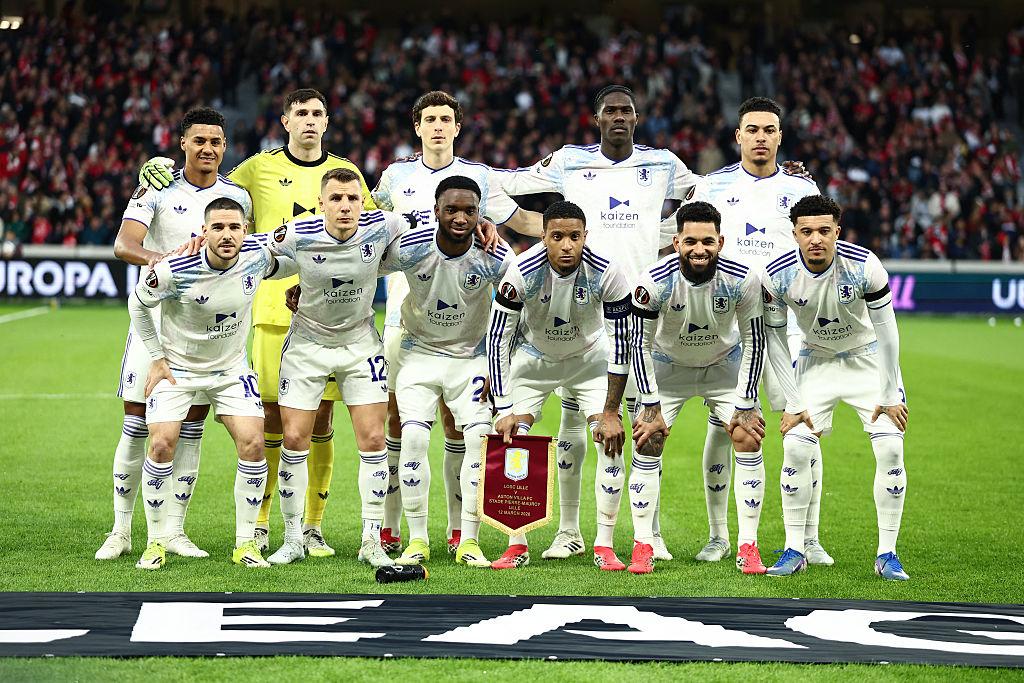
There are football clubs that survive on history, and then there are clubs that reinvent themselves so powerfully that history begins to feel alive again.
For years, Aston Villa F.C. existed somewhere between memory and ambition — a sleeping giant carrying the weight of glorious traditions while struggling to find consistency in modern football’s unforgiving landscape. Once champions of Europe, founders of English football prestige, and one of Britain’s most respected institutions, Villa spent much of the last decade fighting to rediscover their identity.
Today, that identity has returned with force.
In 2026, Aston Villa are no longer viewed as outsiders clinging to past greatness. They are once again one of football’s most compelling success stories — a club rebuilt through vision, patience, elite leadership, and emotional resilience.
Their rise is not simply a football story.
It is a story about restoration.
The Birth of a Historic Institution
Founded in 1874 in Birmingham, Aston Villa emerged during the earliest foundations of organized football in England. The club was created by members of the Villa Cross Wesleyan Chapel cricket team, including William Scattergood, Jack Hughes, Frederick Matthews, and Walter Price.
Their goal was modest:
to create a football team that players could participate in during winter.
What followed would shape football history itself.
Villa quickly established themselves among England’s elite clubs and became one of the founding members of the Football League in 1888 — a monumental moment in world sport. Long before football became a billion-dollar global industry, Aston Villa were already helping define what professional football looked like.
The club’s influence stretched across generations:
- Seven English league titles
- Seven FA Cups
- Five League Cups
- One European Cup triumph in 1982
For decades, Villa Park became more than a stadium. It became a cathedral of football culture in Birmingham — a place where passion, loyalty, and tradition collided every weekend.
The Fall Before the Rise
Yet football can be brutally cyclical.
As the Premier League evolved into a financially explosive era dominated by superclubs and global ownership empires, Aston Villa struggled to maintain stability. Frequent managerial changes, poor recruitment strategies, and inconsistent performances slowly pulled the club away from the elite level where it once belonged.
Then came the unimaginable.
In 2016, Aston Villa were relegated from the Premier League.
For supporters, it felt catastrophic.
For rivals, it felt surreal.
One of England’s greatest historic clubs had collapsed under the pressures of modern football.
And yet, strangely, relegation became the beginning of rebirth.
Billionaire Vision and a New Direction
The transformation truly accelerated when billionaire owners Wes Edens and Nassef Sawiris took control of the club.
Unlike many football ownership groups driven purely by commercial spectacle, Villa’s hierarchy focused on sustainable rebuilding. Infrastructure investment, intelligent recruitment, academy development, and long-term football planning became central to the club’s new philosophy.
The results were gradual but significant.
Aston Villa returned to the Premier League stronger, smarter, and more ambitious than before. Today, the club is valued at nearly $900 million and stands among the fastest-rising football projects in Europe. (forbes.com)
But while ownership laid the foundation, one man would ultimately ignite the revolution.
The Emery Era: Precision, Calm, and Belief
When Unai Emery arrived at Aston Villa, the club was searching for direction.
What they received was transformation.
Known across Europe as “Mr Europa League,” Emery brought tactical sophistication, emotional discipline, and elite-level preparation to Villa Park. His methods were meticulous. Training sessions became more intense. Tactical instructions became sharper. Mental preparation became non-negotiable.
Players began to believe again.
Under Emery:
- Villa returned to European competition
- Villa developed into a top-four Premier League contender
- Villa reached major European finals
- Villa restored their global football relevance
Perhaps most importantly, Emery rebuilt Aston Villa psychologically.
This is no longer a club intimidated by elite opposition.
This is a club expecting to compete with them.
The Stars Fueling the Renaissance
Ollie Watkins — The Relentless Finisher
At the center of Villa’s attacking evolution stands Ollie Watkins.
Energetic, intelligent, and endlessly hardworking, Watkins has transformed into one of the Premier League’s most complete forwards. His movement stretches defenses relentlessly, while his pressing perfectly reflects Emery’s demanding tactical system.
Beyond goals, Watkins symbolizes modern Aston Villa:
hungry, disciplined, and fearless.
Estimated net worth:
💰 $10–15 million
Emiliano Martínez — The Emotional Warrior
If Villa’s attack provides excitement, Emiliano Martínez provides identity.
The Argentine goalkeeper has evolved into one of world football’s most commanding personalities. Passionate, vocal, and psychologically imposing, Martínez brings an edge that modern elite teams often require.
Fans adore him not simply because he saves goals — but because he embodies the emotional intensity of the club itself.
Estimated net worth:
💰 $20–25 million
John McGinn — The Heartbeat of Villa Park
Few players represent Aston Villa’s rise more authentically than John McGinn.
From Championship battles to European nights, McGinn has remained central to the club’s emotional journey. His relentless energy, leadership qualities, and loyalty have turned him into a fan icon.
He is not merely a captain.
He is a symbol of resilience.
Estimated net worth:
💰 $8–12 million
More Than Football: Villa’s Community Influence
What makes Aston Villa’s story especially powerful is its connection to Birmingham itself.
Football clubs are emotional institutions, particularly in working-class cities where identity and sport often intertwine deeply. Villa’s resurgence has reignited pride throughout Birmingham, bringing renewed energy to local businesses, youth programs, and community initiatives.
The club continues investing heavily in:
- Youth football development
- Educational outreach
- Charity foundations
- Community support programs
For many supporters, Villa’s rise feels personal.
Parents who once watched the club dominate in earlier eras are now watching new generations experience that joy for the first time.
Why Aston Villa Matter Again
Modern football increasingly feels controlled by financial superpowers, algorithm-driven recruitment systems, and commercial branding exercises.
Aston Villa’s rise offers something more human.
This is a club powered not only by money, but by:
- identity
- tradition
- intelligent leadership
- emotional connection
- patience
They remind football fans that rebuilding is still possible.
That historic clubs can rise again.
That belief still matters.
The Future Looks Dangerous
With Unai Emery guiding the project, elite players entering their prime, and ownership committed to long-term growth, Aston Villa appear positioned for something even greater.
The frightening reality for rivals?
Villa may still be evolving.
And if the current trajectory continues, English football may soon witness the complete return of one of its greatest sleeping giants.
Not as a nostalgic memory.
But as a genuine modern force.
Live The Joy Life!
Discover more from JOY FEELINGS
Subscribe to get the latest posts sent to your email.