





 admin
admin 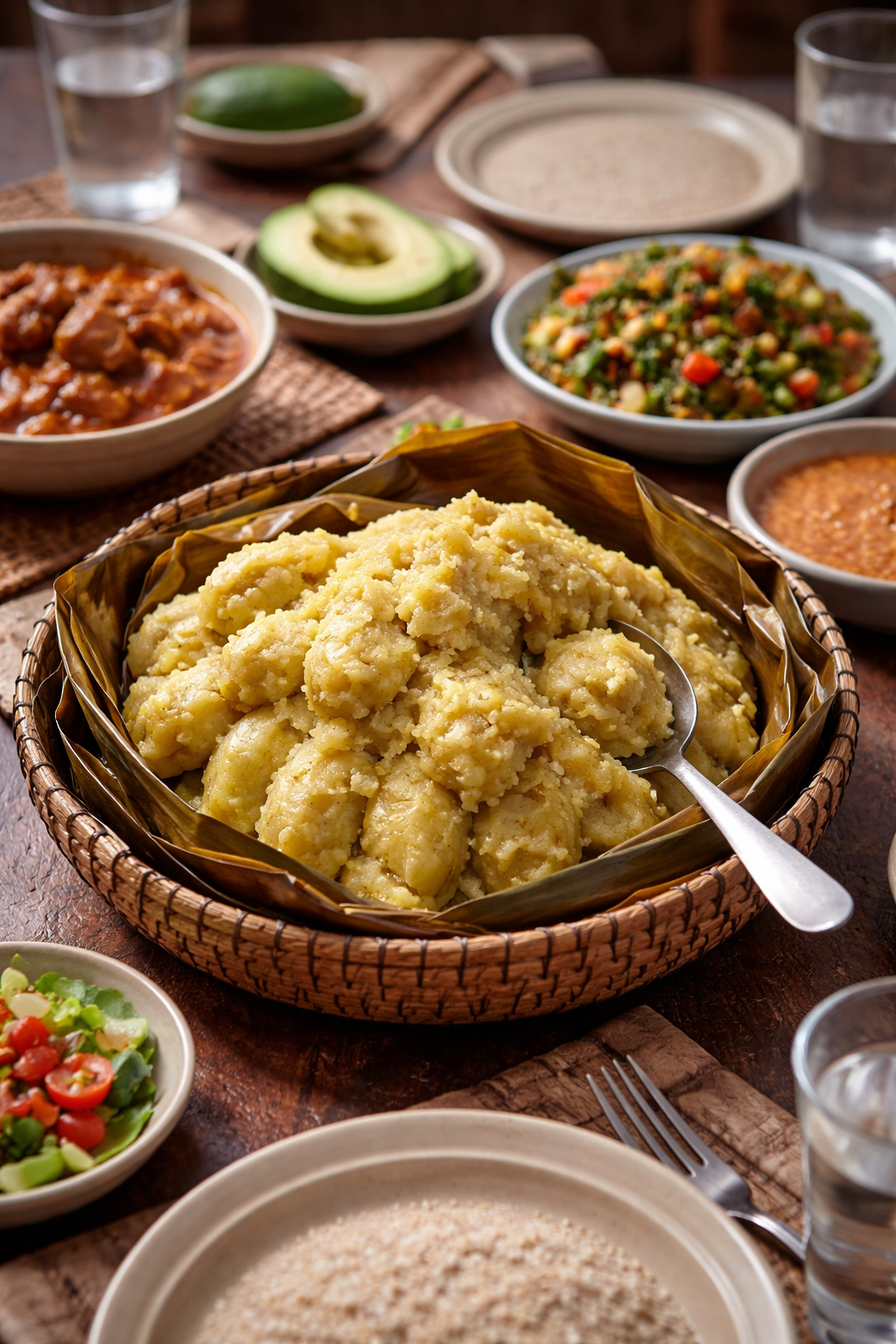
In the bustling food scenes of New York, London, or Tokyo, “superfoods” are often exotic berries or expensive grains. But halfway across the world, in the lush hills of Uganda, an everyday staple quietly shines—both in nutrition and cultural depth. That staple is matooke — a humble, green cooking banana that’s been fueling generations for centuries. In some tribes like Gishu its the main cuisine giving it cultural and health significance. So lets get into it.
What Is Matooke?
Matooke (a type of East African highland cooking banana) isn’t the sweet banana you eat raw. Instead, it’s a starchy banana that is harvested green and cooked before eating—typically steamed or boiled in banana leaves and mashed into a soft, comforting dish. It’s Uganda’s national food and a cornerstone of home meals across the country.
A Natural Source of Sustained Energy
Unlike simple sugars that spike and crash energy levels, matooke is rich in complex carbohydrates—the kind that release energy slowly over time. This makes it an excellent choice for people with active lifestyles or physically demanding daily routines. Whether served with a hearty stew or alongside vegetables, matooke fuels the body steadily and healthily.
Gut Health and Digestive Support
Matooke contains dietary fiber and resistant starch, both of which are valuable for digestive health. Fiber supports regular digestion and healthy bowel movement, while resistant starch serves as a prebiotic—feeding beneficial gut bacteria that help maintain a balanced microbiome. A happy gut often means better overall health, from immunity to mood.
Potassium and Heart Well-Being
One of matooke’s standout nutrients is potassium—a mineral crucial for heart function, muscle health, and fluid balance. Adequate potassium intake is linked with lower blood pressure levels and reduced risk of cardiovascular complications. For many Ugandans, including matooke in daily meals helps meet this vital need in a natural, affordable way.
More Vitamins, Less Guilt
Matooke also offers vitamins like Vitamin B6 and Vitamin C, antioxidants that support immunity, energy metabolism, and healthy skin. It’s naturally low in fat, low in sodium, and gluten-free, making it suitable for diverse dietary patterns—from plant-based diets to heart-conscious eating.
Deep Roots in Culture and Community
Matooke isn’t just food—it’s a symbol of identity and hospitality. In many Ugandan communities, it’s the dish at every family gathering, wedding, or celebration. Its preparation is a communal act, often involving storytelling, laughter, and shared labor—reminding everyone that nourishment is not just physical but social and emotional too.
A Global Superfood in Plain Sight
While trendy superfoods may come with high price tags, matooke remains one of the most nutrient-dense, affordable, and culturally rich foods found anywhere. Whether you’re interested in gut health, sustainable energy, or simply delicious and versatile eating, Uganda’s “everyday banana” deserves a place on the world’s superfood map.
Try at Home: Steam or boil matooke until soft, mash it, and serve with a vegetable-heavy stew, peanut sauce, or lean protein. Leftovers make a hearty breakfast porridge with milk or yogurt—bringing the heart of Uganda to your table.
Live The Joy Life!
Discover more from JOY FEELINGS
Subscribe to get the latest posts sent to your email.