




 admin
admin 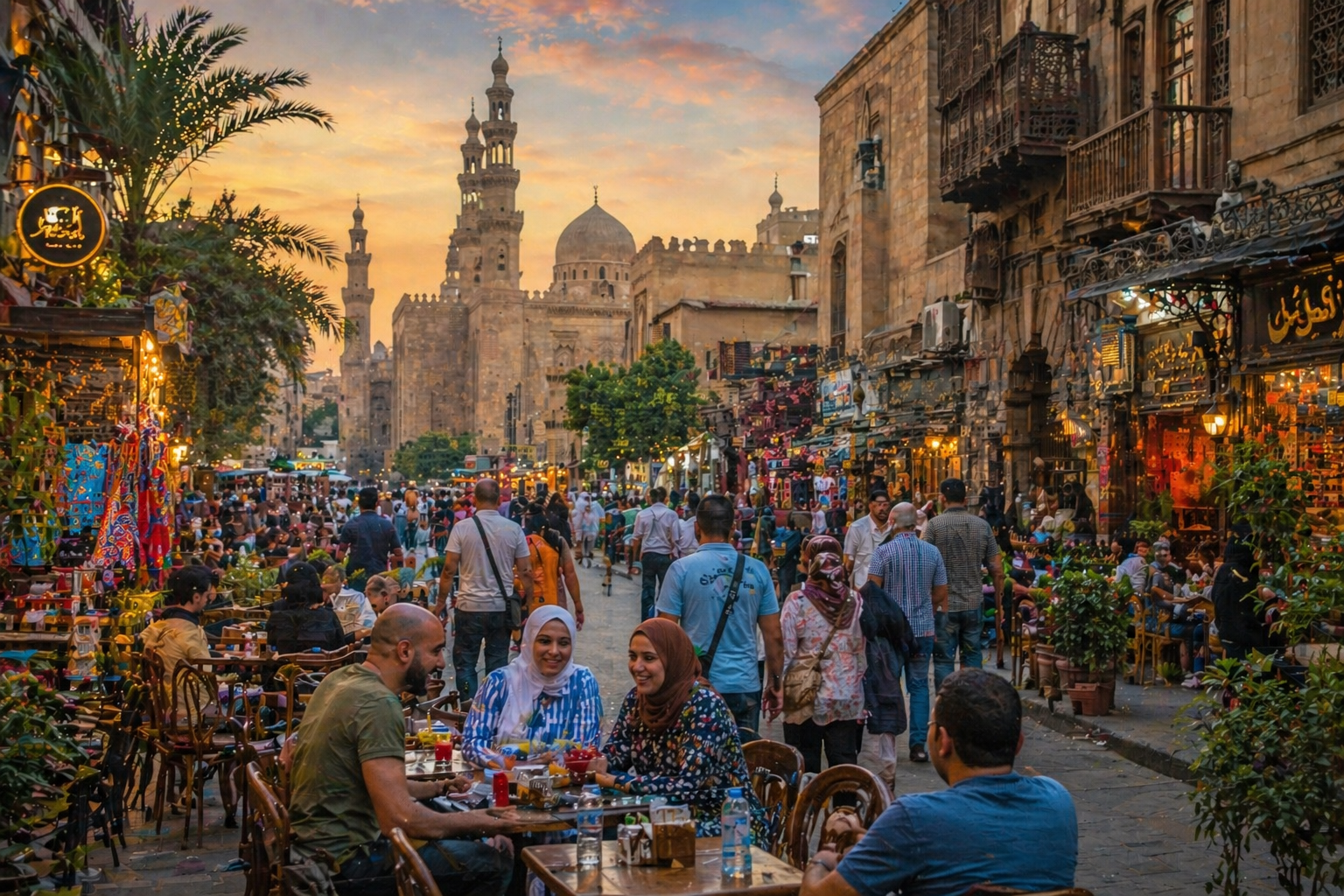
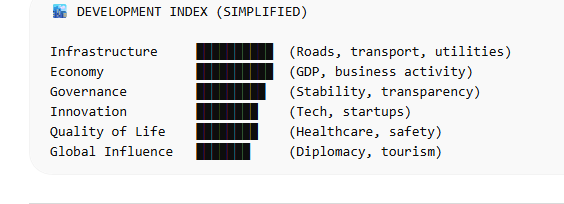
Africa’s capital cities are no longer just political headquarters—they are rapidly evolving into economic engines, innovation hubs, and global investment destinations. In today’s context, a “developed” capital city is defined by a combination of infrastructure quality, economic performance, governance, livability, technological advancement, and global attractiveness.
Recent rankings and reports (2025–2026) show that African cities are increasingly competing on foreign investment, smart city development, transport systems, and quality of life—factors that determine both popularity and long-term influence.
This article highlights the most developed and influential capital cities in Africa, explaining why they dominate headlines, attract investors, and shape the continent’s future.
Top Developed Capital Cities in Africa (With Real Impact Factors)
1. Cairo – Africa’s Economic & Strategic Giant
Cairo consistently ranks among Africa’s most attractive cities due to its massive infrastructure projects, diversified economy, and global strategic position. It topped the 2025 attractiveness index, driven by large-scale investments and transport upgrades.
Why it’s famous:
- One of Africa’s largest economies and populations
- Major infrastructure expansion (including new capital developments)
- Gateway between Africa, the Middle East, and Europe
Impact: Cairo’s scale and investment flow make it a continental powerhouse.
2. Cape Town – Infrastructure & Lifestyle Leader
Cape Town stands out for its world-class infrastructure, high-quality services, and strong tourism economy. The city invests heavily in infrastructure (billions annually), maintaining one of Africa’s highest living standards.
Why it’s famous:
- Advanced urban planning and transport
- Strong tourism and tech sectors
- High quality of life
Impact: A global lifestyle city that attracts both investors and talent.
3. Kigali – Africa’s Smart City Model
Kigali is widely recognized as Africa’s cleanest and most efficiently governed city. It ranks highly due to strong policies on safety, urban planning, and digital governance.
Why it’s famous:
- Top-ranked in smart city initiatives in Africa
- Strong governance and low corruption
- Clean, organized urban environment
Impact: Kigali represents the future of African urban planning.
4. Nairobi – The Silicon Savannah
Nairobi is East Africa’s leading technology and business hub, attracting global companies and startups. It ranks among the top cities for innovation and investment.
Why it’s famous:
- Leading tech ecosystem in Africa
- Major infrastructure projects (expressways, digital economy)
- Strong foreign investment
Impact: Nairobi drives Africa’s digital and startup revolution.
5. Rabat – Stability & Modern Governance
Rabat benefits from Morocco’s strong infrastructure, governance, and proximity to Europe, making it a stable and attractive capital.
Why it’s famous:
- Efficient public services
- Clean, organized city structure
- Strong logistics and manufacturing network
Impact: A model of balanced economic growth and governance.
6. Tunis – North Africa’s Modern Gateway
Tunis combines European proximity with African identity, making it a strategic economic hub with solid infrastructure.
Why it’s famous:
- Strong modernization and tourism sector
- High human development indicators
- Strategic Mediterranean location
Impact: A key bridge between Africa and Europe.
7. Abuja – Africa’s Planned Capital
Unlike many African cities, Abuja was intentionally designed for order and expansion, giving it an edge in infrastructure and urban layout.
Why it’s famous:
- Well-planned road networks
- Modern architecture and government institutions
- Growing diplomatic and political importance
Impact: A symbol of modern African urban planning.
8. Addis Ababa – Diplomatic Capital of Africa
Addis Ababa hosts the African Union, making it Africa’s political and diplomatic nerve center.
Why it’s famous:
- Headquarters of continental governance
- Rapid infrastructure expansion
- Growing airline and logistics hub
Impact: Central to African unity and diplomacy.
9. Accra – West Africa’s Rising Star
Accra is gaining global attention for its stable governance, investment inflows, and cultural influence.
Why it’s famous:
- Strong democratic system
- Growing business and real estate sector
- Increasing international visibility
Impact: A rising hub for investment and culture.
10. Gaborone – Stability & Economic Discipline
Gaborone reflects Botswana’s strong governance and economic management, making it one of Africa’s most stable capitals.
Why it’s famous:
- Stable economy (diamond-driven wealth)
- Clean and organized urban environment
- High governance standards
Impact: A benchmark for economic discipline in Africa.
Why These Cities Are More Popular and Globally Recognized
Across all rankings and reports, the most developed African capitals share common success factors:
1. Infrastructure Investment
Cities like Cape Town and Cairo invest heavily in roads, airports, and utilities—key to economic growth.
2. Economic Strength & Investment
High GDP output and foreign direct investment (FDI) attract businesses and global attention.
3. Governance & Stability
Cities such as Kigali and Gaborone excel because of efficient governance and low corruption.
4. Innovation & Technology
Nairobi leads Africa’s tech ecosystem, showing how innovation drives global relevance.
5. Quality of Life
Cleanliness, safety, and services make cities more attractive to both locals and expatriates.
Final Insight
Africa’s most developed capital cities are not necessarily the biggest—they are the ones that combine smart governance, strong economies, and forward-looking urban planning.
As urbanization accelerates, these cities are becoming:
- Investment magnets
- Innovation centers
- Cultural influencers
And importantly, they are shaping the future identity of Africa on the global stage.
Live The Joy Life!
Discover more from JOY FEELINGS
Subscribe to get the latest posts sent to your email.