

 admin
admin 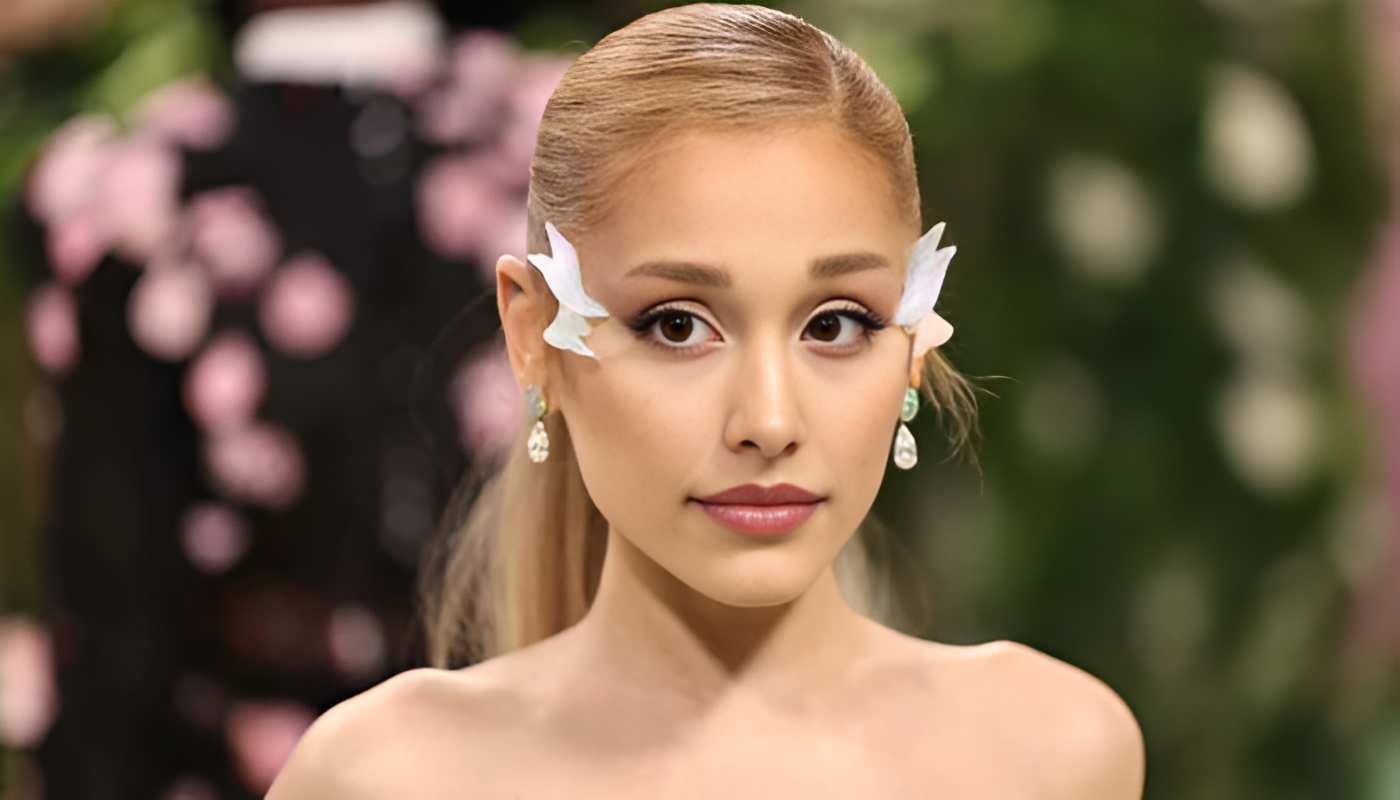
The resurgence of fairy-tale narratives in Hollywood has become one of the most intriguing creative trends in contemporary cinema. Rather than simply retelling familiar stories, filmmakers are revisiting classic narratives with a more layered, self-aware approach that explores character psychology, moral ambiguity, and the power of perspective. The recent adaptation of Wicked provides a compelling example of this shift.
At the center of this cinematic revival is the reinterpretation of beloved characters from the world originally popularized by The Wizard of Oz. In particular, the portrayal of Glinda by Ariana Grande has drawn significant attention—not simply because of her star power, but because of how the filmmakers have used the character to reframe a familiar fairy-tale archetype.
Reimagining the Fairy Tale Structure
Traditional fairy tales typically rely on clear moral divisions: heroes and villains, light and darkness, good witches and wicked ones. However, the creative team behind Wicked—drawing from the novel by Gregory Maguire and the Broadway musical by Stephen Schwartz and Winnie Holzman—approaches the narrative differently.
Rather than reinforcing established archetypes, the writers challenge them. The narrative shifts focus away from the heroism of Dorothy’s journey and instead examines the origins and perspectives of characters traditionally placed at the margins of the story. By doing so, the film transforms a familiar fairy-tale universe into a layered narrative about reputation, identity, and the construction of public myth.
This structural decision reflects a broader creative strategy in modern screenwriting: revisiting classic cultural texts and exploring them through alternative viewpoints.
The Creative Function of Glinda
Within this framework, Glinda’s character becomes central to the film’s narrative design. Traditionally portrayed as an almost flawless embodiment of goodness, Glinda in Wicked is written with a more nuanced emotional range. She is ambitious, socially aware, and occasionally naive, yet capable of genuine empathy and growth.
The casting of Ariana Grande amplifies this complexity. Grande brings both musical expertise and a recognizable public persona to the role, allowing the filmmakers to merge contemporary celebrity culture with theatrical storytelling. The result is a character who feels simultaneously iconic and approachable.
From a screen analysis perspective, this casting choice demonstrates how producers increasingly use performer identity as a narrative tool. Grande’s existing connection with global audiences helps humanize Glinda, making her transformation across the film more emotionally accessible.
Production Vision and World-Building
Equally significant is the film’s visual and production design. The world of Oz, long associated with colorful spectacle, is expanded in Wicked into a more detailed cinematic environment. The production team uses elaborate set design, costume work, and lighting to construct a fantasy setting that balances nostalgia with modern cinematic aesthetics.
Rather than replicating earlier depictions of Oz, the filmmakers reinterpret the environment as a dynamic political and cultural space. The Emerald City becomes more than a magical destination—it becomes a symbol of power structures, social hierarchies, and public perception.
This approach demonstrates how contemporary fantasy films often prioritize world-building as an extension of narrative meaning rather than simply decorative spectacle.
Narrative Creativity and Cultural Relevance
One of the most notable aspects of Wicked is its thematic resonance with modern audiences. By centering the friendship between Glinda and Elphaba, the film explores themes of social labeling, media narratives, and the complexity of moral judgment.
In this sense, the film functions not only as a musical fantasy but also as a commentary on how societies construct heroes and villains. Such themes align with current storytelling trends in Hollywood, where audiences increasingly respond to morally complex characters rather than traditional fairy-tale simplicity.
A New Phase in Hollywood’s Fairy-Tale Revival
The enthusiastic audience response to Wicked suggests that Hollywood’s renewed interest in fairy tales is less about nostalgia and more about reinterpretation. By revisiting established stories through contemporary creative lenses, filmmakers can preserve the emotional familiarity of classic narratives while introducing new thematic depth.
The collaboration between writers, producers, designers, and performers—particularly Ariana Grande’s portrayal of Glinda—illustrates how creative reinterpretation can breathe new life into culturally iconic material.
In this way, Wicked represents more than a musical adaptation. It stands as an example of how modern cinema can transform traditional fairy tales into sophisticated narratives that resonate with today’s audiences while honoring the imaginative worlds that inspired them.
Live The Joy Life!
Discover more from JOY FEELINGS
Subscribe to get the latest posts sent to your email.