




 admin
admin 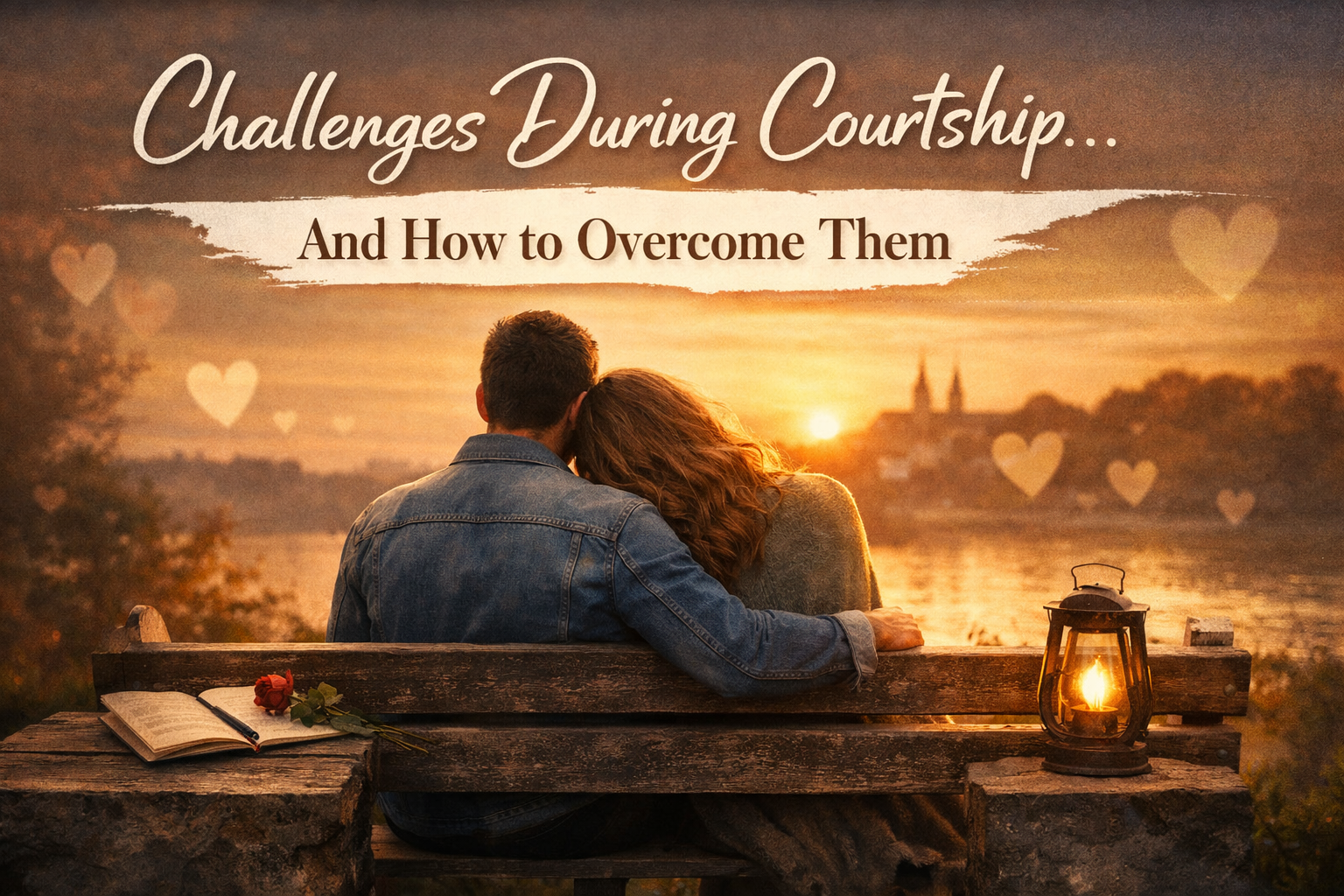
Courtship is often romanticized in films like The Notebook and series like Bridgerton — intense chemistry, poetic longing, dramatic declarations.
But in real life, courtship is not just butterflies and late-night calls. It is a psychologically complex stage where two individuals evaluate compatibility, attachment security, values, and long-term viability.
I consider courtship the most diagnostic phase of a relationship. It reveals emotional patterns, belief systems, communication styles, and character under pressure.
Below are the most common challenges couples face during courtship — and how to overcome them with intention and maturity.
1. Idealization and Emotional Blindness
The Challenge
In early romance, the brain releases dopamine and oxytocin, creating emotional euphoria. This can lead to idealization — seeing a partner not as they are, but as we hope they are.
Dr. John Gottman notes that early-stage couples often ignore red flags because positive sentiment override distorts perception. Similarly, relationship therapist Esther Perel explains that desire thrives in mystery, but clarity requires conscious observation.
Example:
Sarah dates a charming man who occasionally shows controlling tendencies. Because he is attentive and romantic, she dismisses subtle warning signs. Six months later, the control intensifies.
How to Overcome It
- Slow the pace of emotional attachment.
- Observe patterns, not promises.
- Ask trusted friends for objective feedback.
- Watch how they treat service workers, family members, and strangers — not just you.
Expert Advice: Attraction should never override discernment. Chemistry is not compatibility.
2. Oversharing or Emotional Flooding
The Challenge
Many people mistake vulnerability for immediacy. Oversharing trauma too early can create emotional imbalance.
Dr. Brené Brown emphasizes that vulnerability must be earned. Trust builds gradually; it is not a first-date obligation.
Example:
On the third date, James shares detailed childhood trauma and financial struggles. His partner feels overwhelmed and pressured to respond at the same depth.
How to Overcome It
- Share progressively.
- Match emotional depth with time and consistency.
- Ask yourself: “Has this person demonstrated safety yet?”
Expert Advice: Healthy intimacy unfolds layer by layer.
3. Fear of Rejection and Insecurity
The Challenge
Courtship activates attachment styles — secure, anxious, avoidant, or disorganized.
Psychiatrist Amir Levine, co-author of Attached, explains that anxious partners may over-text, overthink, or seek constant reassurance, while avoidant partners may withdraw when closeness increases.
Example:
Linda becomes anxious when her partner takes hours to reply. She assumes loss of interest and reacts emotionally, creating tension.
How to Overcome It
- Identify your attachment style.
- Communicate needs calmly and directly.
- Avoid mind-reading; seek clarity instead.
Expert Advice: Emotional regulation is more attractive than emotional reactivity.
4. Cultural and Family Pressure
The Challenge
In many communities, including countries like Uganda, courtship often involves family expectations, religious considerations, and social scrutiny.
Couples may face pressure about:
- Financial readiness
- Tribe or ethnicity
- Religious alignment
- Timeline toward marriage
Example:
A couple deeply in love faces family resistance due to cultural differences, creating stress and doubt.
How to Overcome It
- Discuss non-negotiables early.
- Present a united front when appropriate.
- Balance respect for family with personal autonomy.
Expert Advice: A relationship cannot survive if it is built solely to satisfy external approval.
5. Misaligned Values and Future Vision
The Challenge
Many couples bond over chemistry but avoid serious conversations about life goals.
Topics often postponed:
- Children
- Finances
- Faith
- Career priorities
- Gender roles
Research from the Gottman Institute consistently shows that unresolved value conflicts predict long-term dissatisfaction.
Example:
One partner assumes marriage in two years; the other avoids commitment entirely. The mismatch surfaces after emotional investment has deepened.
How to Overcome It
- Have intentional conversations by month three to six.
- Ask open-ended questions about future expectations.
- Listen for consistency between words and actions.
Expert Advice: Shared values create stability. Shared hobbies create fun. Both matter — but values sustain longevity.
6. Forcing Chemistry
The Challenge
Some individuals try to manufacture intensity because they fear being alone. They confuse attraction with destiny.
Therapist Harville Hendrix explains that we are often drawn to partners who mirror unresolved childhood dynamics — which can feel like “chemistry” but is actually familiarity.
Example:
A woman repeatedly chooses emotionally unavailable partners because unpredictability feels exciting.
How to Overcome It
- Ask: Does this feel peaceful or chaotic?
- Notice if you are chasing or choosing.
- Recognize that stability may feel unfamiliar — not boring.
Expert Advice: Healthy love often feels calm, not dramatic.
Final Reflection: Courtship Is a Mirror
Courtship is not just about evaluating another person. It is about confronting yourself — your fears, wounds, expectations, and emotional maturity.
The greatest challenges during courtship are not external obstacles. They are internal patterns.
When approached intentionally, courtship becomes less about performance and more about discernment. Less about rushing toward marriage, and more about building emotional intelligence.
As a specialist, I advise this:
- Move slowly.
- Observe consistently.
- Communicate clearly.
- Choose intentionally.
Because the goal of courtship is not just to fall in love.
It is to fall in love wisely.
Live The Joy Life!
Discover more from JOY FEELINGS
Subscribe to get the latest posts sent to your email.