




 admin
admin 
In a continent defined by youthful energy, innovation, and untapped potential, Africa’s next chapter is increasingly being written by its young people. Yet behind many of the systems that fuel this transformation stand powerful architects of capital—men whose industries shape livelihoods, opportunities, and ambition.
As the Prickly Juice 2025 African Icon Awards honors Aliko Dangote (Nigeria), Johann Rupert (South Africa), and Nicky Oppenheimer (South Africa) as the Top 3 Popular African Billionaires, the conversation moves beyond net worth to a more meaningful question:
How have these men influenced social change among Africa’s new generation?
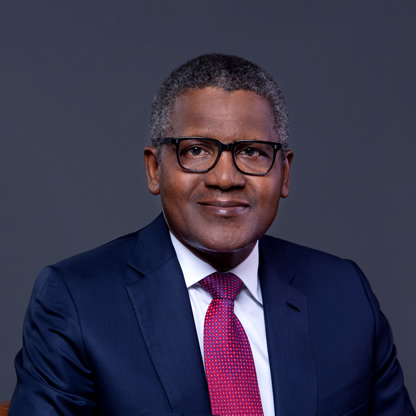

Dangote: Industrial Power as a Youth Employment Engine
Aliko Dangote’s name has become synonymous with African industrialization. From cement to sugar, salt, and now oil refining, the Dangote Group is not just a business empire—it is a youth employment machine.
For millions of young Africans, Dangote represents something their parents’ generation never had at scale:
African-owned mega-industry.
“I want to be remembered not as the richest man in Africa, but as the greatest industrialist Africa has ever had.” — Aliko Dangote
Social Impact on the New Generation:
- Mass Job Creation: Thousands of engineers, technicians, accountants, marketers, and factory workers earn their livelihoods through Dangote industries.
- Skills Transfer: Young professionals are exposed to world-class industrial systems without needing to leave Africa.
- Economic Confidence: Dangote’s success has reshaped youth mindset—proving that Africans can build global-scale industries, not just small startups.
Beyond business, the Dangote Foundation has reshaped youth engagement in health, education, and disaster relief—especially through scholarships, disease control programs, and food aid. To Africa’s youth, Dangote is not just wealthy; he is a symbol of scale without apology.
Johann Rupert: Luxury Capitalism Meets Social Responsibility
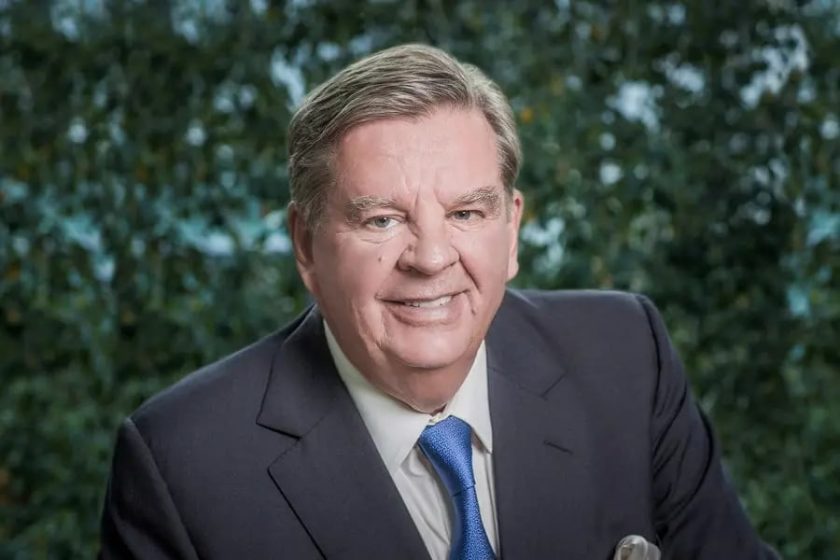
Johann Rupert stands at the helm of one of the world’s most influential luxury goods empires through brands like Cartier, Richemont, Montblanc, and Van Cleef & Arpels. Yet his impact on Africa’s youth is not limited to elite fashion—it lies deeply in education, environmental protection, and pan-African investment thinking.
“We do not inherit the earth from our parents; we borrow it from our children.” — Johann Rupert
Social Impact on the New Generation:
- Education Sponsorships: Rupert-backed initiatives have quietly funded bursaries, leadership programs, and business education across Southern Africa.
- Environmental Advocacy: His commitment to conservation reshapes how young Africans view sustainable capitalism.
- Global Exposure: Through luxury branding and global trade, Rupert’s model shows African youth how local leadership can control international value chains.
For young Africans interested in finance, branding, and global markets, Rupert represents a new archetype:
Quiet power, intellectual capital, and long-term economic thinking.
Nicky Oppenheimer: From Mining Wealth to Legacy Wealth
Nicky Oppenheimer inherited one of Africa’s most powerful mining legacies but redefined his influence beyond extraction. After stepping away from direct control of De Beers, he pivoted toward philanthropy, agriculture, conservation, and youth leadership development.
“Wealth only has meaning when it helps build opportunity for those who come after us.” — Nicky Oppenheimer
Social Impact on the New Generation:
- Entrepreneurship Funding: Through family trusts and African investment initiatives, young agripreneurs and innovators have accessed capital.
- Leadership Development: The Mandela Rhodes Scholarships—supported by the Oppenheimer family—have shaped many of Africa’s most influential young leaders.
- Sustainability Mindset: Oppenheimer’s focus on conservation teaches youth that wealth must coexist with environmental responsibility.
To young Africans navigating purpose beyond profit, Oppenheimer symbolizes legacy capitalism—where wealth must answer future generations.
Three Billionaires, Three Models of Social Influence
| Billionaire | Core Influence | Youth Impact |
|---|---|---|
| Dangote | Industrialization | Jobs, engineering skills, large-scale production |
| Johann Rupert | Global branding & finance | Education, business leadership, sustainability |
| Nicky Oppenheimer | Legacy wealth & conservation | Youth leadership, entrepreneurship, environmental ethics |
Together, they represent three pillars of Africa’s social transformation:
- Production (Dangote)
- Positioning (Rupert)
- Preservation (Oppenheimer)
The Psychological Shift: What the New Generation Is Really Inheriting
Perhaps their greatest influence is not physical infrastructure or investments—it is mental liberation.
Young Africans today:
- No longer see billionaires only as foreign.
- Aspire to build global companies from African soil.
- Question wealth that doesn’t give back.
- Demand ethical responsibility from power.
Dangote teaches them to think big.
Rupert teaches them to think global.
Oppenheimer teaches them to think long-term.
The Prickly Juice Perspective: Icons Beyond Net Worth
The Prickly Juice 2025 African Icon Award is not about celebrating money—it is about celebrating influence that reshapes identity, ambition, and opportunity.
Dangote, Johann Rupert, and Nicky Oppenheimer stand as three contrasting but complementary mirrors of African power:
- One built from scratch.
- One refined through global luxury.
- One redefined through legacy and philanthropy.
To Africa’s new generation, their lives answer an urgent question:
What should power look like in a changing Africa?
Final Word
As Africa’s youth population surges past 60%, the real wealth of the continent will no longer be measured only in minerals, oil, or luxury brands—but in human potential.
The stories of Dangote, Johann Rupert, and Nicky Oppenheimer show that billionaires do not simply shape markets—they shape mindsets, dreams, and entire future economies.
And for the new generation watching from classrooms, factories, farms, and smartphones across Africa, one message is becoming clear:
The next icons may come from anywhere—but they must build for everyone.
Live The Joy Life!
Discover more from JOY FEELINGS
Subscribe to get the latest posts sent to your email.